

As lithium-powered products become part of daily life, responsible recycling is no longer optional. From electric vehicles and golf carts to forklifts, marine systems, portable power stations, and home energy storage, lithium batteries now support a wide range of modern applications. Their long lifespan, high energy density, and efficient performance make them valuable, but they also require proper handling at the end of their service life.
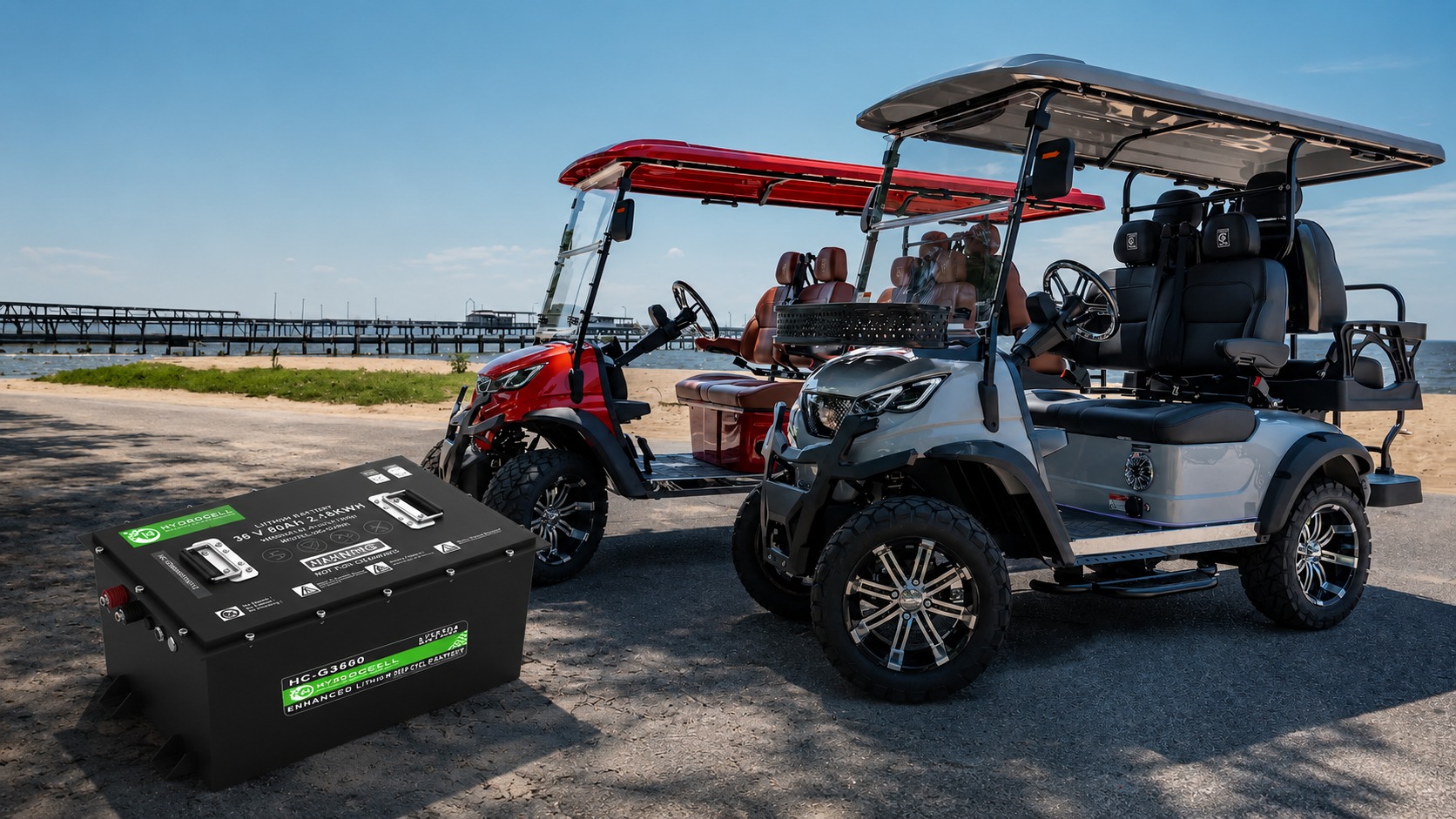
This essential lithium battery recycling guide for 2026 explains why recycling matters, how used batteries should be handled, and what owners, businesses, and fleet operators should know before disposing of battery products. A Lithium Battery should never be treated like ordinary waste. Instead, it should be managed through safe collection, transportation, inspection, and recycling channels.
Lithium batteries contain valuable materials, including lithium, iron, phosphate, copper, aluminum, graphite, and other recoverable components. When batteries are recycled properly, many of these materials can be recovered and reused in future battery production or other industrial applications. This helps reduce pressure on raw material supply chains and supports a more circular energy economy.
Battery recycling is also important for environmental protection. If used batteries are discarded incorrectly, they may end up in landfills or waste streams where they can create safety and pollution risks. Damaged or improperly stored batteries may overheat, short circuit, or catch fire. In addition, throwing batteries away wastes materials that required energy, mining, processing, and manufacturing to produce.
For businesses, recycling is becoming part of responsible operations. Warehouses, logistics fleets, golf cart dealers, marine service providers, energy storage installers, and automotive workshops all handle batteries that eventually reach end of life. A clear recycling plan can reduce liability, improve safety, and support sustainability goals.
Before recycling a lithium battery, it is important to understand its condition. A battery that is old but physically intact may be easier to transport and process than one that is swollen, leaking, burned, crushed, or water-damaged. Any battery showing signs of damage should be treated with extra caution and handled by qualified professionals.
Used lithium batteries should be stored in a cool, dry, and well-ventilated location away from direct sunlight, heat sources, metal tools, flammable materials, and moisture. Battery terminals should be protected to prevent accidental short circuits. For small batteries, terminal covers or non-conductive tape may be used. For large industrial batteries, original protective caps, insulated connectors, or secure packaging may be required.
Never puncture, crush, disassemble, burn, or open a lithium battery. Internal cells and electronic components can be hazardous if damaged. Even a battery that appears empty may still contain enough energy to cause a short circuit or thermal event. If a battery becomes hot, emits odor, changes shape, or shows visible damage, it should be isolated safely and evaluated by a professional recycling or battery service provider.
Transportation is another important part of battery recycling. Large lithium batteries, such as those used in forklifts, marine systems, energy storage systems, and golf carts, may require special handling, labeling, packaging, or documentation. Businesses should work with qualified recycling partners who understand battery transport requirements and safe collection practices.
The first step is identification. Check the battery label, voltage, capacity, chemistry, model number, and manufacturer information. This helps determine the correct recycling method and handling requirements. Lithium iron phosphate batteries, lithium-ion packs, automotive starter batteries, and industrial traction batteries may have different recycling processes.
The second step is inspection. Look for cracks, swelling, corrosion, loose cables, exposed wires, damaged terminals, or signs of overheating. If the battery is damaged, do not attempt to repair or transport it casually. Contact a qualified battery recycling company or service technician.
The third step is preparation. Disconnect the battery from equipment following the manufacturer’s instructions. Turn off power switches, protect terminals, secure cables, and place the battery in a stable position. For heavy batteries, use proper lifting equipment and trained personnel.
The fourth step is collection. Take the used battery to an approved recycling center, battery dealer, service provider, or manufacturer-supported collection program. Large commercial users should consider creating a scheduled recycling plan for fleet batteries to avoid unsafe storage buildup.
Hydrocell lithium battery products are designed for a wide range of modern power applications. As battery adoption grows across industries, responsible end-of-life planning becomes part of the full product lifecycle. Understanding how each battery type is used helps owners prepare for proper maintenance, replacement, and recycling.
Lithium golf cart batteries provide lighter weight, faster charging, longer service life, and reduced maintenance compared with traditional lead-acid options. When they eventually reach end of life, they should be removed carefully and recycled through an appropriate lithium battery recycling channel.
Lithium automotive starting batteries are used to deliver reliable starting power with reduced weight and strong performance. Because they may include battery management electronics, they should not be discarded with general automotive waste.
Forklift lithium batteries are commonly used in warehouses, logistics centers, manufacturing facilities, and cold chain operations. These large-capacity batteries require professional handling during replacement and recycling due to their size, weight, and stored energy.
Portable power stations are popular for outdoor activities, emergency backup, mobile work, and temporary power needs. Their internal lithium battery packs should be recycled properly when performance declines or the unit reaches the end of its usable life.
Residential, commercial, and industrial energy storage systems can contain large lithium battery modules. Recycling these systems requires planning, safe disconnection, and professional battery recovery services.
Marine lithium batteries power boats, yachts, trolling motors, onboard electronics, and auxiliary systems. Because marine environments involve moisture, vibration, and salt exposure, end-of-life inspection and recycling should be handled carefully.
Lithium battery recycling in 2026 is essential for safety, environmental protection, resource recovery, and sustainable energy development. As lithium batteries become more common in golf carts, vehicles, forklifts, portable power stations, energy storage systems, and marine applications, responsible recycling practices must become part of ownership.
The best approach is simple: identify the battery type, inspect its condition, store it safely, protect the terminals, avoid damage, and work with qualified recycling providers. By recycling lithium batteries correctly, individuals and businesses can reduce waste, recover valuable materials, lower safety risks, and support a cleaner energy future.