

Hydrocell marine battery systems deliver cleaner, quieter, and more efficient power for modern electric boating and yachting.
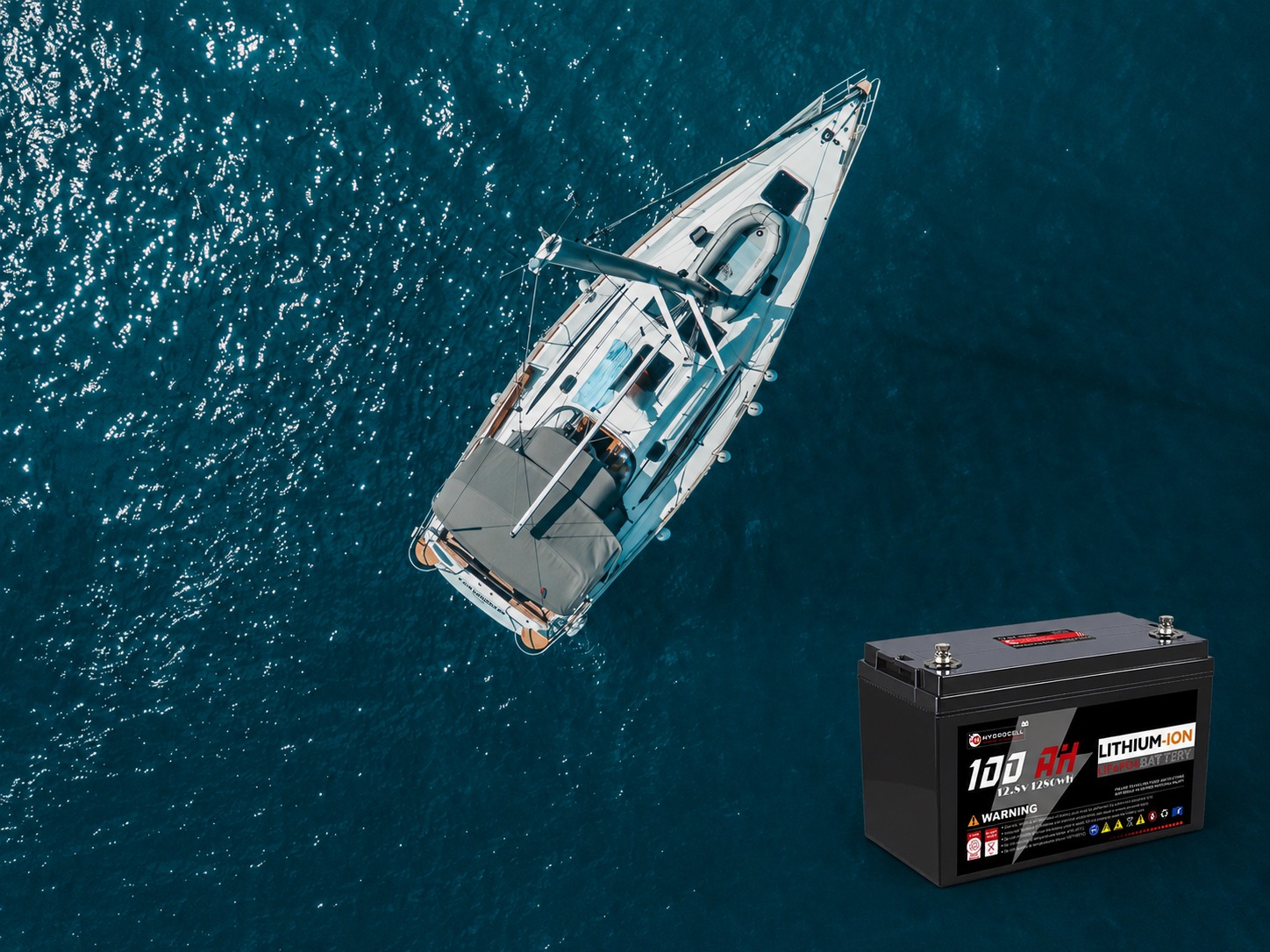
In recent years, the maritime industry has undergone a major shift toward sustainability, electrification, and environmental responsibility. Boats, yachts, fishing vessels, patrol boats, and commercial marine platforms are increasingly adopting electric power as either a primary propulsion source or a secondary onboard energy system. This transition is driven by stricter emissions standards, rising fuel costs, the need for quieter operation, and the demand for more efficient marine energy solutions.
Traditional fuel-powered marine engines have served the industry for decades, but they also bring challenges such as exhaust emissions, engine noise, vibration, fuel storage risks, frequent maintenance, and operating costs that can rise sharply over time. As boat owners and fleet operators look for cleaner and more dependable alternatives, lithium marine battery systems are becoming an important part of the future of boating.
As a company focused on electric marine power solutions, hydrocell offers high-performance marine lithium battery systems designed to support cleaner, quieter, and more sustainable boating experiences. These one-stop marine battery solutions are engineered to provide reliable energy storage for electric propulsion, onboard electronics, lighting, navigation, communication, refrigeration, and comfort systems.
Marine electrification is no longer limited to small recreational boats. More vessel owners are now considering electric or hybrid systems because they offer clear operational and environmental advantages. Electric boats produce no direct exhaust emissions during operation, which helps reduce pollution in lakes, rivers, coastal areas, marinas, and environmentally sensitive waters.
Noise reduction is another major benefit. A quiet electric power system creates a more comfortable experience for passengers and crew. For yachts and leisure boats, lower noise improves relaxation and enjoyment. For fishing vessels, quieter operation can reduce disturbance on the water. For commercial marine applications, reduced vibration and noise can improve working conditions.
Efficiency also matters. Electric systems can convert stored energy into usable power more efficiently than many combustion systems. With the right marine battery system, boat owners can reduce fuel dependence, simplify maintenance, and gain more precise control over onboard energy use.
The core of hydrocell marine battery systems is lithium iron phosphate battery technology, also known as LiFePO4. Compared with traditional lead-acid batteries, LiFePO4 batteries offer many advantages for marine use, including longer service life, lighter weight, higher usable capacity, faster charging, better safety, and lower maintenance requirements.
Lead-acid marine batteries typically have a limited cycle life, especially when they are deeply discharged or used frequently. Over time, their capacity declines, and replacement becomes necessary. LiFePO4 batteries are designed for a much longer cycle life, making them a stronger long-term investment for boat owners who use their vessels regularly.
A longer-lasting battery system helps reduce replacement frequency, downtime, and waste. For yacht owners, charter operators, and marine fleets, this can lower total ownership costs and improve reliability over years of operation.
Weight is critical in marine applications. Heavy batteries can affect speed, handling, fuel efficiency, range, and overall vessel balance. Traditional lead-acid batteries are heavy and often require multiple units to provide enough capacity.
Lithium marine batteries provide more usable energy at a lower weight. This helps improve vessel efficiency and can free up space for storage, equipment, or passenger comfort. For electric propulsion systems, lower battery weight can also support better range and smoother performance.
Lead-acid batteries should not be deeply discharged on a regular basis because doing so can shorten their lifespan. This means only part of their rated capacity is typically usable. LiFePO4 batteries can provide a much higher usable capacity, allowing boat owners to access more stored energy without damaging the battery system.
This is especially important for marine applications where dependable power is needed for long trips, overnight stays, navigation systems, fish finders, lighting, refrigeration, and communication devices.
Marine lithium battery systems can support faster and more efficient charging than traditional lead-acid batteries. This is valuable for boaters who want shorter charging times between trips. When paired with the right charger, solar system, shore power connection, or hybrid charging setup, lithium batteries can help maximize energy availability.
Efficient charging also reduces wasted energy and supports more sustainable boating. For commercial marine operators, faster charging can improve vessel uptime and daily operating flexibility.
Safety is essential for any marine power system. LiFePO4 chemistry is widely recognized for its thermal stability and safety advantages compared with some other lithium chemistries. A quality marine battery system should also include an intelligent battery management system, often called a BMS.
The BMS monitors important operating conditions such as voltage, current, temperature, state of charge, overcharge, over-discharge, and short-circuit protection. This helps protect the battery, the vessel, and onboard equipment during daily operation.
Lead-acid batteries often require regular inspection, cleaning, ventilation considerations, and careful charging practices. Flooded lead-acid batteries may require water level checks, and corrosion around terminals can become a recurring issue.
Hydrocell marine lithium battery systems are designed to reduce maintenance demands. There is no watering, no acid leakage, and less corrosion risk. This allows boat owners to spend more time enjoying the water and less time managing battery upkeep.
Marine lithium battery systems can support a wide range of applications. In recreational boating, they can power electric propulsion, trolling motors, lighting, entertainment systems, and onboard appliances. In yachts, they can provide stable energy for hotel loads, air conditioning support, navigation, and silent anchoring power.
For commercial marine use, lithium battery systems can support workboats, patrol boats, sightseeing vessels, aquaculture boats, and harbor service vessels. They are also useful in hybrid systems where batteries work alongside generators or renewable energy sources to improve efficiency and reduce fuel consumption.
Marine electrification is reshaping the boating industry by offering cleaner energy, quieter operation, better efficiency, and lower long-term maintenance. Hydrocell marine battery systems, built around LiFePO4 technology, provide a powerful alternative to traditional lead-acid batteries and fuel-dependent systems.
For boat owners, yacht operators, and marine businesses seeking dependable electric power, hydrocell marine battery systems can help create a more comfortable, sustainable, and enjoyable experience on the water. As the industry continues to move toward cleaner solutions, advanced lithium marine batteries will play a key role in the future of boating.