

Battery problems rarely appear when a golf cart is being used every day. In most cases, they show up after the cart has been sitting unused for weeks or months. Seasonal shutdowns, off-peak storage, weather-related downtime, vacation gaps, and idle fleet cycles can all create hidden battery stress. For hydrocell owners, protecting the battery during downtime is one of the easiest ways to improve reliability, reduce long-term costs, and avoid frustrating performance issues when the cart is needed again.
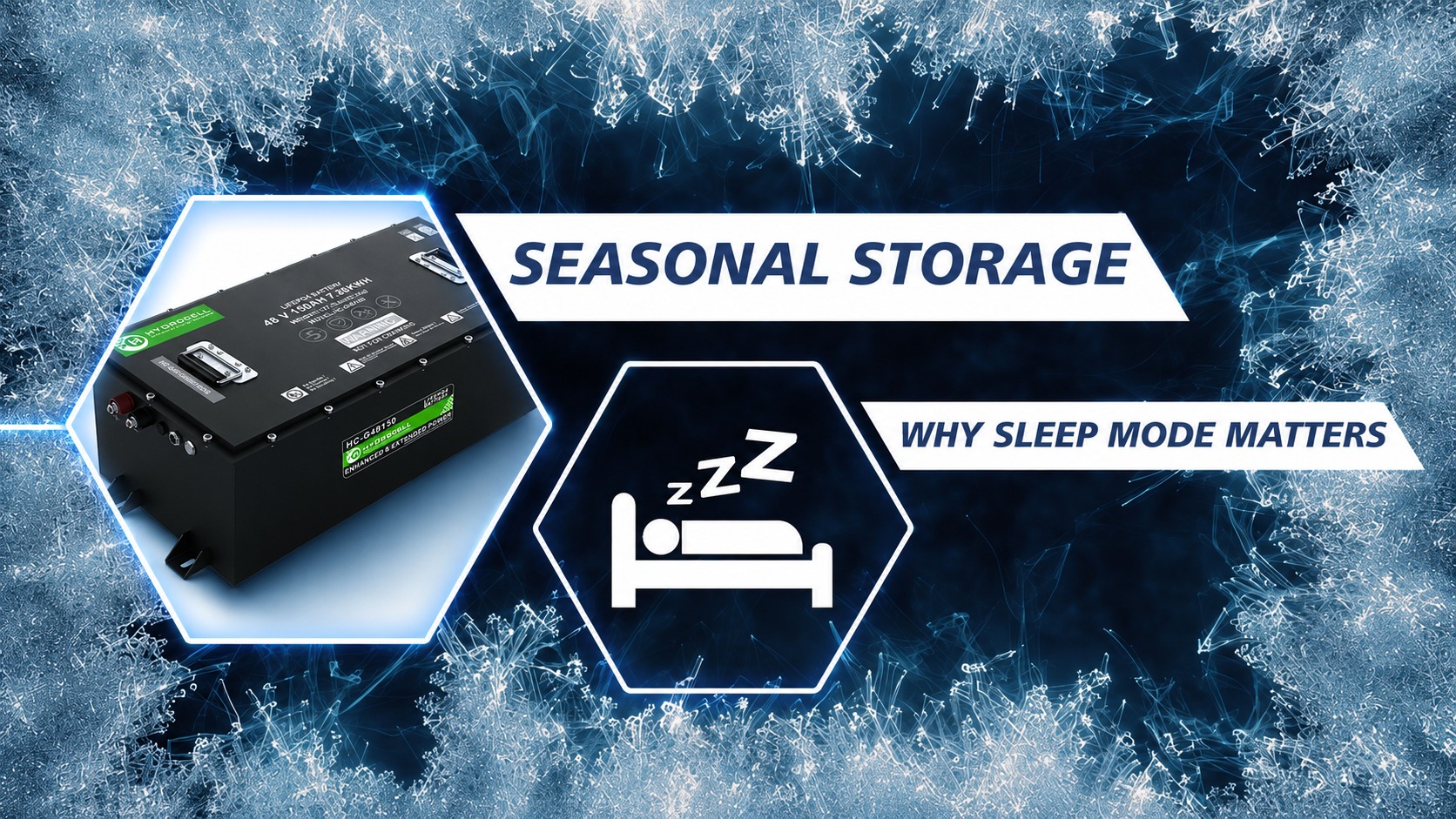
A golf cart battery is not completely inactive just because the cart is parked. Small electrical loads, natural self-discharge, temperature changes, and poor storage habits can slowly reduce charge level and weaken the battery over time. Without proper preparation, a cart that worked perfectly at the end of the season may be difficult to start, slow to respond, or unable to hold charge when brought back into service.
Many cart owners assume that turning the key off is enough to protect the battery. Unfortunately, battery drain can continue even during storage. Modern golf carts may have controllers, displays, accessories, alarms, GPS units, chargers, or other small electronic systems that continue to draw a small amount of power. This is often called parasitic drain.
Even if no accessories are active, batteries naturally lose charge over time. This self-discharge can be faster in hot environments and may become a serious issue during long storage periods. When a battery sits too long at a low state of charge, it can suffer reduced capacity, weaker performance, and shorter service life.
Temperature is another important factor. Heat can accelerate battery aging, while cold conditions can reduce available power and make a weak battery more noticeable. For seasonal locations, such as golf communities, resorts, rental fleets, and private homes, carts may be stored through months of changing weather. That makes battery storage planning essential.
One common mistake is storing the cart with a low battery. A battery should not be left nearly empty for a long time. Low charge levels increase the risk of deep discharge, which can damage battery health and reduce future runtime. Before putting an hydrocell cart into seasonal storage, owners should make sure the battery is properly charged according to the battery manufacturer’s guidelines.
Another mistake is leaving accessories connected. Lights, speakers, phone chargers, GPS devices, and aftermarket electronics may continue drawing power if they are not fully disconnected. Even a small load can become a problem over several weeks. Before storage, unnecessary accessories should be turned off or disconnected when appropriate.
Some owners also forget to inspect the cart before storage. Loose cables, dirty terminals, moisture, corrosion, or damaged connectors can create problems while the cart is sitting idle. A simple inspection before downtime can help prevent unexpected issues later.
Improper storage location is another concern. A cart should ideally be stored in a clean, dry, and protected area. Excessive moisture can affect connections and electrical components. Direct heat, poor ventilation, or exposure to harsh weather can also reduce battery and cart reliability.
Sleep mode can make seasonal storage much easier by reducing unnecessary power consumption while the cart is not being used. When a battery system enters sleep mode, it limits background activity and helps slow down energy loss during downtime. This is especially useful for carts that may sit unused during winter, rainy seasons, off-peak months, or long vacation periods.
For hydrocell owners, sleep mode can help reduce the worry of returning to a deeply discharged battery. Instead of allowing small electrical loads to continue draining power, the system helps preserve battery energy for a longer period. This makes the cart more likely to be ready when the season begins again.
Sleep mode is not a replacement for proper storage habits, but it is a valuable support feature. Owners should still start with a properly charged battery, inspect the cart, store it in a suitable location, and follow the manufacturer’s recommendations. When combined with good storage practices, sleep mode can reduce maintenance effort and improve long-term battery protection.
Lithium batteries are often easier to manage during seasonal storage than traditional battery options. They typically have lower self-discharge, require less routine maintenance, and do not need watering. For golf cart owners who want fewer storage-related problems, lithium technology can be a practical upgrade.
A lithium golf cart battery can help reduce the stress of long downtime because it is designed for more stable energy storage and efficient power delivery. When paired with smart battery management and proper storage procedures, lithium batteries can help carts stay more dependable between seasons.
Owners looking for dependable golf cart battery options can consider hydrocell batteries. For carts, choosing a high-quality lithium battery solution can simplify seasonal storage, reduce manual upkeep, and support better long-term performance.
To store hydrocell batteries properly, begin by checking the battery’s state of charge. The battery should be stored at the recommended charge level rather than being left completely full or deeply discharged for an extended period. Always follow the specific storage recommendations provided for the battery model.
Next, turn off the cart and remove unnecessary electrical loads. If the system includes a sleep mode or storage mode, activate it according to the instructions. This helps limit background power draw and supports better charge retention during downtime.
Store the cart in a dry, clean, and protected location. Avoid areas with standing water, heavy moisture, extreme heat, or direct exposure to harsh weather. A stable storage environment helps protect both the battery and the cart’s electrical components.
Inspect cables, connectors, terminals, and the battery compartment before storage. Clean away dirt or debris and make sure connections are secure. If the cart will be stored for a long period, schedule periodic checks to confirm that the battery remains within a safe charge range.
When bringing the cart back into use, inspect the battery again before driving. Check charge level, confirm that the cart powers on normally, and allow the system to wake from sleep mode if applicable. A careful restart helps prevent avoidable issues at the beginning of the season.
Seasonal storage does not have to be complicated, but it does require planning. Battery drain, poor storage habits, accessory power draw, and long idle periods can all shorten battery life and create reliability problems. For owners, using sleep mode, storing the cart correctly, and following proper battery care steps can make a major difference.
With the right lithium battery solution and good storage habits, hydrocell carts can remain dependable through seasonal downtime. By protecting the battery before problems appear, owners can reduce maintenance stress, lower long-term operating costs, and enjoy a smoother return to the road, path, or course when the next season begins.