

Explosion-proof forklift batteries help reduce ignition risks in chemical, gas, petroleum, and dusty industrial environments.
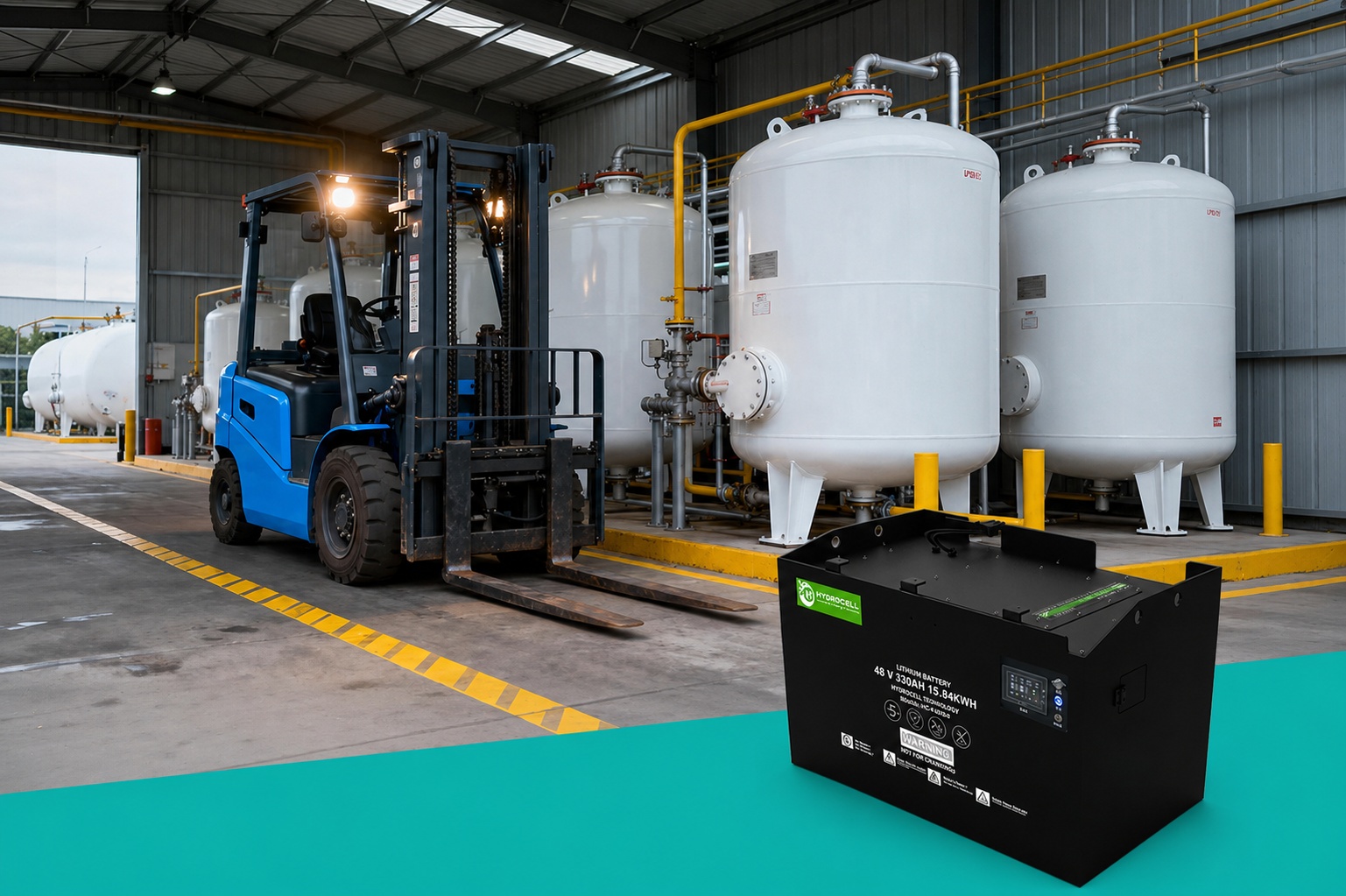
In chemical plants, petroleum facilities, gas storage areas, grain processing sites, coating workshops, and dusty industrial operations, the air may contain flammable vapors, combustible dust, or explosive gas mixtures. In these environments, a regular forklift battery system can become a serious safety concern. Sparks, overheated parts, static discharge, damaged cables, or unstable battery behavior may create ignition risks when flammable substances are present.
This is why explosion-proof forklift battery technology is so important. It is not only about powering the forklift. It is about building a safer energy system for hazardous workplaces where one small electrical fault could create a dangerous incident. For companies operating in high-risk environments, choosing the right forklift battery can directly affect worker safety, production continuity, equipment reliability, and regulatory compliance.
hydrocell provides forklift battery solutions designed for demanding industrial applications. For operations that require stronger safety control, explosion-proof battery design can help create a more reliable power foundation for forklifts working around flammable gases, vapors, chemicals, or dust.
A forklift is constantly moving, lifting, turning, braking, and operating near people, products, shelves, tanks, pipes, and production lines. In a normal warehouse, battery problems may cause downtime or maintenance costs. In a hazardous environment, the consequences can be far more serious.
Explosion-proof forklift batteries are designed to reduce ignition sources. They usually focus on better enclosure protection, safer electrical design, controlled heat generation, stable battery chemistry, protective management systems, and reduced spark risk. These features help protect both the equipment and the surrounding environment.
| Hazardous Environment | Typical Risk | Battery Safety Requirement |
|---|---|---|
| Chemical Plants | Flammable vapors, corrosive materials, and reactive substances. | Controlled electrical protection, strong sealing, and stable power output. |
| Petroleum Facilities | Fuel vapors, oil mist, and ignition-sensitive storage zones. | Reduced spark risk and reliable thermal control. |
| Gas Operations | Explosive gas-air mixtures in processing or storage areas. | Explosion-proof structure and monitored electrical safety. |
| Dusty Workplaces | Combustible dust from grain, powder, textile, wood, or chemical materials. | Dust-resistant design and prevention of hot surfaces or static ignition. |
| Paint and Coating Areas | Solvent vapors and flammable liquid exposure. | Protected battery housing and stable operating temperature. |
Forklift battery explosions or ignition incidents can come from several sources. One common cause is poor electrical contact. Loose cables, damaged connectors, exposed terminals, or corroded contact points can create sparks. In a hazardous area, even a small spark may become dangerous.
Another cause is overheating. Batteries generate heat during charging and discharging. If the system is overloaded, poorly ventilated, incorrectly charged, or internally damaged, temperatures may rise beyond safe limits. Hot surfaces can become ignition sources in areas with flammable vapor or dust.
Overcharging and improper charging are also major risks. Using the wrong charger, charging in an unsafe zone, or ignoring battery management warnings may lead to gas generation, thermal stress, swelling, or electrical faults. In lead-acid systems, hydrogen gas release during charging can be a concern if ventilation is poor.
Physical damage is another factor. Forklifts work in rough environments, and batteries may be exposed to vibration, impact, moisture, chemicals, or temperature changes. A damaged battery enclosure, crushed cable, or cracked casing can increase the possibility of short circuits and unsafe operation.
A reliable explosion-proof forklift battery should provide layered protection. Instead of depending on one safety feature, the battery should combine structural protection, electrical protection, temperature control, intelligent monitoring, and durable industrial design.
Hydrocell explosion-proof forklift battery solutions are designed to support safer operation in demanding environments. The safety defense begins with the battery structure. A strong protective enclosure helps reduce exposure to dust, moisture, impact, and external contaminants. This is important because hazardous environments often combine electrical risk with harsh operating conditions.
The second defense is intelligent battery management. A Battery Management System, or BMS, monitors voltage, current, temperature, charge status, and system health. If abnormal conditions occur, the system can help limit operation, trigger protection, or prevent unsafe charging and discharging behavior.
The third defense is thermal control. In hazardous environments, controlling temperature is essential. A well-designed battery system should reduce overheating risk and maintain stable performance during daily forklift operation. Stable thermal behavior helps prevent hot surfaces, internal stress, and performance degradation.
The fourth defense is electrical safety. Protected connectors, safer wiring design, secure terminals, and controlled current flow all help reduce spark risk. For forklifts operating near flammable substances, every electrical connection matters.
| Core Value | Operational Benefit |
|---|---|
| Improved Safety | Helps reduce ignition risks in hazardous industrial environments. |
| Stable Power Output | Supports reliable forklift performance during lifting, travel, and material handling. |
| Lower Maintenance Pressure | Lithium battery technology can reduce routine maintenance compared with traditional systems. |
| Better Downtime Control | Reliable energy delivery helps reduce unexpected stops in critical operations. |
| Industrial Adaptability | Suitable for chemical, petroleum, gas, dust, coating, and other special working environments. |
Explosion-proof forklift batteries are especially valuable in industries where flammable materials are part of daily operations. Chemical manufacturing plants may use forklifts to move drums, containers, raw materials, and finished products. In these areas, battery safety must match the risk level of the environment.
Petroleum and gas operations also require special attention. Forklifts may operate near fuel storage, processing equipment, maintenance zones, or packaging areas. Equipment used in these locations should be selected carefully to reduce ignition hazards.
Dusty environments are another major application. Combustible dust can be found in grain storage, food processing, wood products, plastics, textiles, and powder handling. If dust accumulates and mixes with air, it may become explosive. A safer forklift battery system helps reduce ignition risk from electrical components and heat.
Paint, coating, and solvent handling facilities also benefit from explosion-proof battery design. Solvent vapors can be highly flammable, so forklifts used in these areas need protected electrical systems and controlled operating temperatures.
Before selecting a battery, companies should evaluate the exact working environment. Important factors include hazardous area classification, forklift model, voltage requirement, battery compartment size, load intensity, shift length, charging method, temperature range, and safety requirements.
The battery should match the forklift’s rated specifications and the site’s safety requirements. It should also work with a compatible charger and be installed according to proper procedures. Operators and maintenance teams should receive training on safe use, charging, inspection, and emergency response.
Explosion-proof forklift batteries provide essential value in chemical, petroleum, gas, dusty, coating, and other hazardous industrial environments. Regular forklift battery systems may create risks through sparks, overheating, static discharge, damaged cables, or improper charging. In areas where flammable substances may be present, these risks must be controlled.
Hydrocell explosion-proof forklift battery solutions help build a stronger safety defense through protective structure, intelligent BMS monitoring, thermal control, electrical protection, and reliable lithium battery performance. For companies that need safer material handling in hazardous areas, choosing the right explosion-proof forklift battery is not only a technical decision. It is a critical investment in safety, uptime, and operational stability.