

Choosing a portable power station involves calculating your total wattage needs, capacity (watt-hours), and portability requirements. Prioritize LiFePO4 batteries for longevity, ensure the inverter is a pure sine wave, and choose enough AC/USB ports for your devices, aiming for fast-charging models that fit your budget.
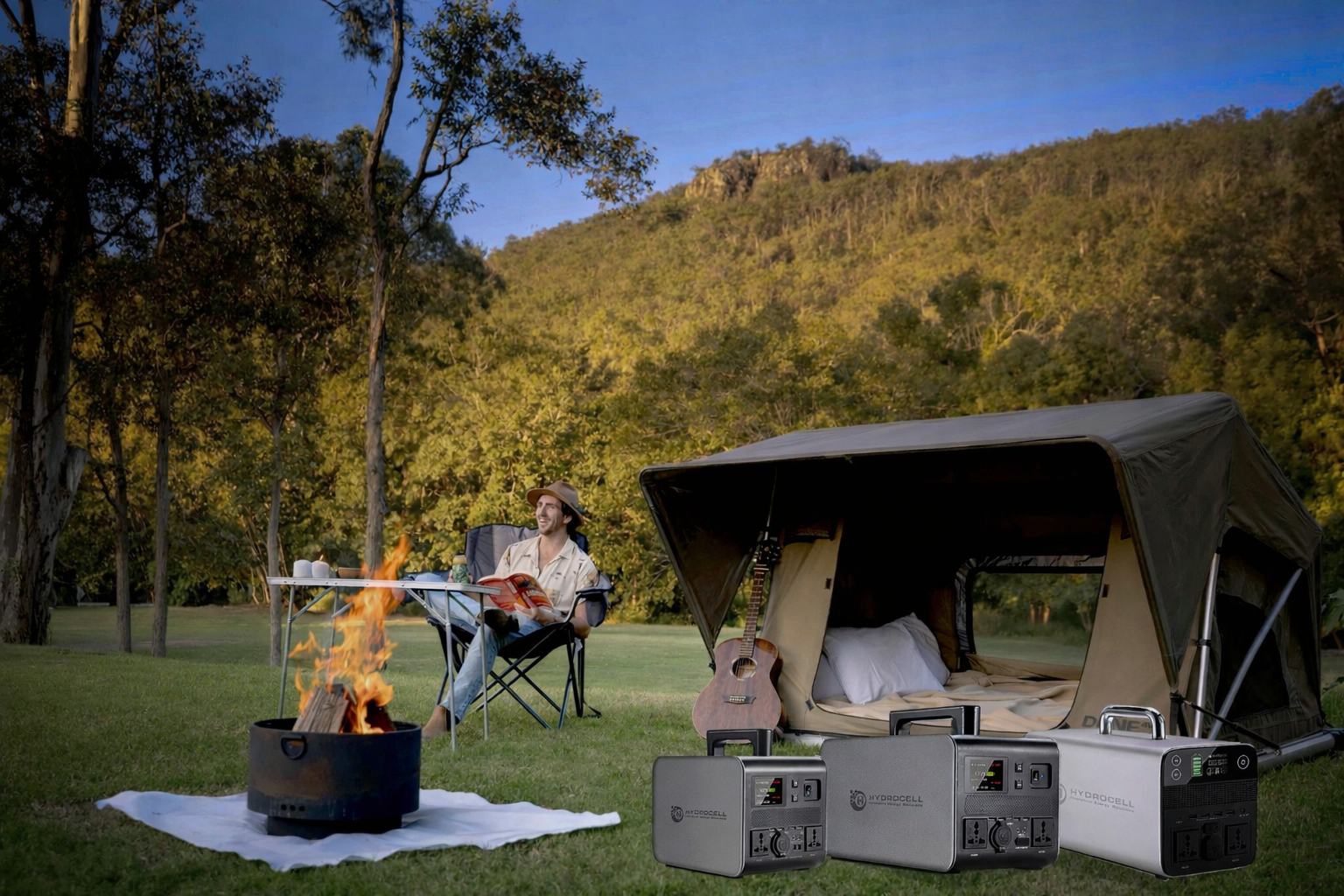
Portable power stations have evolved from emergency backups into versatile daily tools for camping, overlanding, remote work, home backup, and off-grid living. With increasing frequency of power outages, longer outdoor adventures, and the rise of electric devices, selecting the right unit is more important than ever. The ideal portable power station balances capacity, output, weight, recharge speed, and expandability while delivering clean, reliable power to sensitive electronics.
Capacity is the most critical specification. Measured in watt-hours (Wh), it tells you how much energy the unit can store. A 500 Wh station might power a laptop for 8–10 hours, while a 2,000 Wh model can run a fridge, CPAP machine, or multiple devices for days. Calculate your needs by adding the wattage of every device you plan to run and multiplying by hours of use. Add a 20–30% buffer for efficiency losses. For weekend camping, 300–1,000 Wh is often sufficient. For overlanding or extended outages, 1,500–3,000 Wh or more is recommended.
Continuous wattage rating determines what the station can power simultaneously. Look for at least 1,000 W continuous and 2,000 W peak for most users. Higher-output models (2,000–3,000 W) can run power tools, microwaves, or small appliances. Pure sine wave inverters are essential for sensitive electronics like laptops, medical devices, and cameras. Modified sine wave inverters are cheaper but can cause buzzing, overheating, or damage to delicate equipment.
Weight and dimensions determine how easily you can carry the unit. Models under 20 lbs are truly portable for hiking or car camping. Larger 2,000+ Wh stations often weigh 40–70 lbs and include wheels and handles. Consider handle design, carrying case options, and whether the unit will fit in your vehicle or backpack.
Fast charging is a major convenience. Look for stations that support 100–300 W solar input and AC wall charging under 2 hours. Lithium iron phosphate (LiFePO4) chemistry charges faster and safer than older lithium-ion types. Some premium models reach 80% in under one hour via AC or solar.
Count the ports you actually need: multiple AC outlets (120V/240V), USB-A, USB-C PD (Power Delivery), DC car ports, and Anderson ports for solar. At least two AC outlets and several USB-C ports with 60–100 W PD are ideal for most users. Expandable models with additional battery packs offer future-proofing.
Solar input capability turns the power station into a renewable energy system. Check maximum solar wattage input and MPPT controller efficiency. Units with built-in MPPT controllers charge faster and more efficiently from solar panels. Look for MC4 connectors for easy panel integration.
Overlanding demands ruggedness, high capacity, fast solar charging, and durability in extreme temperatures. Top choices in 2026 include models with 1,500–3,000 Wh capacity, 2,000+ W output, IP67 weather resistance, and built-in MPPT controllers. LiFePO4 chemistry is preferred for its 3,000–6,000+ cycle life, thermal stability, and safety. Look for units with Anderson or XT60 ports for quick solar connections, integrated handles/wheels, and app monitoring for real-time status. A good overlanding station should run a fridge, lights, fan, and charging devices for several days between charges while being compact enough to fit in a roof rack or truck bed.
Modern portable power stations often include Bluetooth or Wi-Fi app control, LED light bars, wireless phone charging pads, UPS (uninterruptible power supply) functionality, and expandable battery capacity. Battery chemistry is critical — LiFePO4 is safer and longer-lasting than standard lithium-ion. Warranty length (usually 2–5 years) and customer support quality also matter for long-term ownership.
Choosing the right portable power station requires balancing capacity, output, portability, recharge speed, ports, and solar compatibility with your specific needs and budget. For weekend camping or home backup, a 500–1,000 Wh unit is often sufficient. For overlanding, extended outages, or heavy device use, invest in 1,500–3,000 Wh models with fast solar charging and LiFePO4 chemistry. Prioritizing pure sine wave inverters and high-quality construction ensures safe, reliable power for years. As demand grows, the market continues to offer more efficient, lighter, and feature-rich options.