
Linde forklifts use advanced lithium-ion batteries designed for fast charging, long service life, safer operation, and efficient warehouse performance.
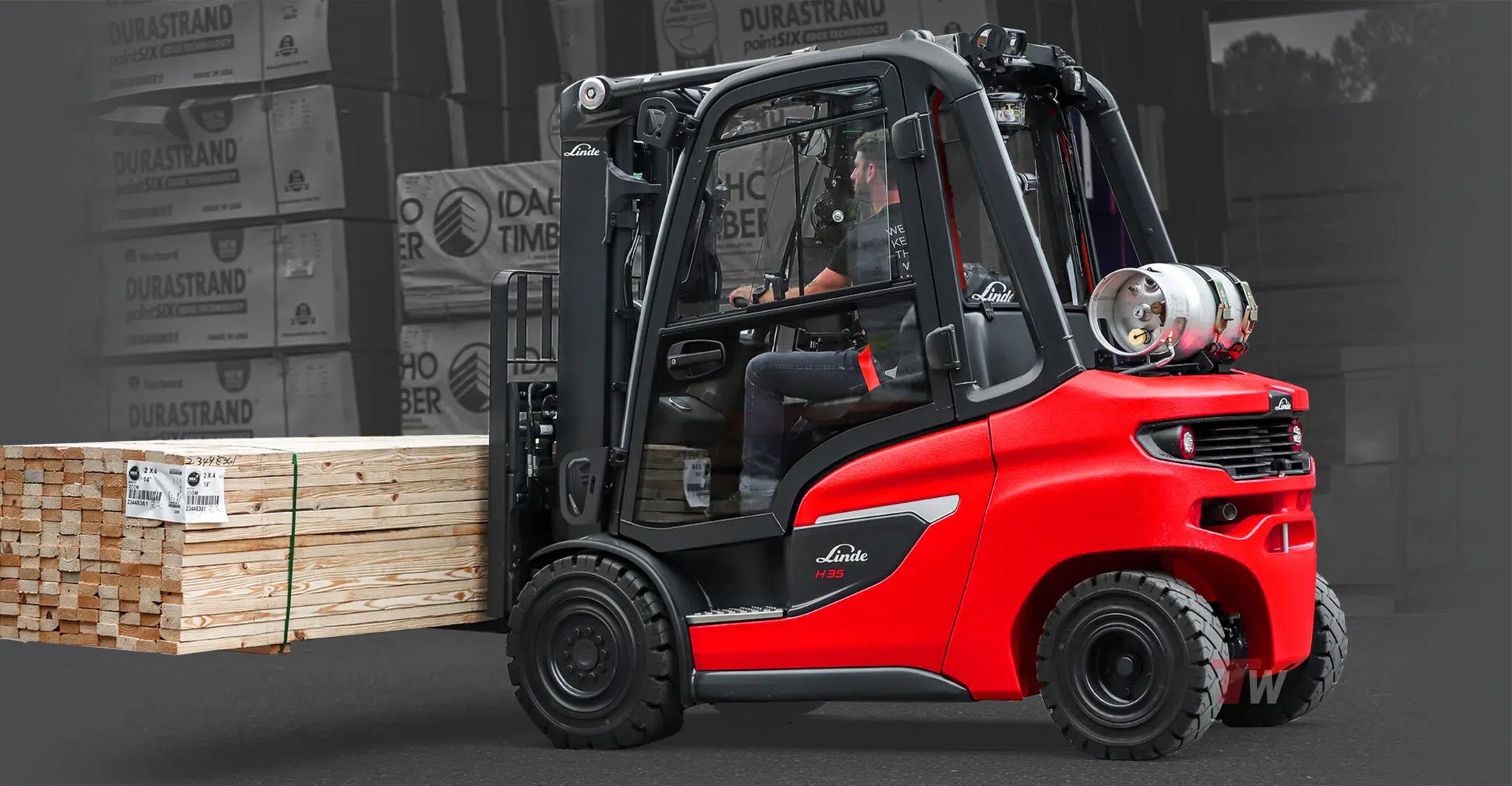
As electric material handling equipment becomes more important in modern logistics, many warehouse managers are asking the same question: what lithium ion battery does Linde use in forklifts? Linde Material Handling, part of the KION Group, is known for producing premium forklifts, pallet trucks, reach trucks, stackers, and other warehouse vehicles. Its lithium-ion battery systems are designed to match the demanding needs of industrial applications where uptime, safety, energy efficiency, and low maintenance are essential.
In general, Linde forklifts use proprietary, high-performance lithium-ion battery systems that are deeply integrated with the truck, charger, and control electronics. These batteries are commonly available for 24V, 48V, and 90V systems, depending on the type of forklift or warehouse vehicle. Smaller pallet trucks and stackers often use 24V systems, mid-sized electric forklifts commonly use 48V systems, and larger counterbalance forklifts may use higher-voltage systems such as 90V. This allows Linde to provide battery solutions for a wide range of indoor and outdoor electric material handling tasks.
Linde lithium-ion forklifts typically use battery chemistries such as Lithium Iron Phosphate, also known as LiFePO4 or LFP, and in some applications Nickel Manganese Cobalt, also known as NMC. Among these, Lithium Iron Phosphate is especially valued in forklift applications because it offers strong thermal stability, high safety, long cycle life, and reliable performance in heavy-duty working environments.
LFP batteries are widely used in industrial vehicles because they are less prone to overheating compared with some other lithium chemistries. They also deliver a long service life, often reaching more than 3,500 charging cycles when properly managed. For businesses that operate forklifts across one, two, or even three shifts per day, this long cycle life can significantly reduce battery replacement frequency and total ownership cost.
NMC batteries may also be used in some lithium-ion systems where higher energy density is required. However, for many warehouse and forklift applications, LiFePO4 remains a preferred option because of its excellent balance of safety, durability, and cost-effectiveness. This is why many replacement and specialized lithium forklift battery suppliers, including hydrocell, focus strongly on LiFePO4 forklift battery solutions.
One of the most important features of Linde lithium-ion batteries is their integrated design. Linde does not simply place a generic battery into a forklift. Instead, the battery, charger, Battery Management System, and truck electronics work together as a closed system. This integrated structure helps improve safety, performance, energy efficiency, and communication between the battery and the forklift.
The Battery Management System, or BMS, plays a critical role in protecting the battery. It continuously monitors battery temperature, voltage, state of charge, charging behavior, and other key operating conditions. The BMS helps prevent overcharging, overheating, deep discharging, and other problems that could reduce battery life or create safety risks. For fleet operators, this type of monitoring is extremely valuable because it helps keep equipment available and reduces unexpected downtime.
Another major advantage is opportunity charging. Traditional lead-acid batteries often require long charging periods, cooling time, watering, and battery changing areas. By contrast, Linde lithium-ion batteries can be charged during short breaks, lunch periods, shift changes, or other idle moments. Depending on charger size and battery capacity, charging from low state of charge to full capacity may take approximately 2 to 12 hours. In many daily operations, users do not need to fully discharge or fully recharge the battery. They can simply charge when convenient.
Linde offers different voltage options to suit different forklift types. A 24V lithium-ion battery system is commonly suitable for compact warehouse equipment such as pallet trucks, pedestrian stackers, and light-duty transport vehicles. These machines usually work in narrow aisles, loading areas, supermarkets, distribution centers, and small warehouses.
A 48V lithium-ion battery system is often used in electric rider forklifts, reach trucks, and medium-duty warehouse trucks. This voltage level provides a strong balance between power, runtime, and efficiency. It is suitable for lifting pallets, loading trucks, stacking goods, and supporting general warehouse logistics.
A 90V lithium-ion battery system is typically designed for larger electric counterbalance forklifts and more demanding industrial applications. These forklifts may handle heavier loads, longer operating hours, and more intensive duty cycles. By using the appropriate voltage platform, Linde can optimize truck performance, energy use, and charging behavior for each application.
Linde lithium-ion batteries are usually paired with dedicated Linde chargers. Charger power may range from around 9 kW to 30 kW, depending on the battery size and forklift model. This dedicated charging approach is important because lithium-ion batteries require precise charging control. Using the correct charger helps protect the battery, maintain performance, and extend service life.
Compared with traditional lead-acid batteries, lithium-ion batteries generally provide higher energy efficiency. Linde lithium-ion systems are designed to deliver up to 30% more energy yield than lead-acid alternatives. This means more usable energy goes into operating the forklift instead of being lost during charging, discharging, or heat generation. Over time, this improved efficiency can help reduce electricity costs and improve fleet productivity.
Another benefit is that lithium-ion batteries maintain more consistent power output throughout the discharge cycle. Lead-acid batteries often experience performance decline as the battery discharges. In contrast, lithium-ion batteries can provide steady voltage and reliable driving and lifting performance for a longer period. This is especially useful in high-volume warehouses where operators need consistent productivity throughout the shift.
One of the strongest selling points of Linde lithium-ion forklifts is maintenance-free battery operation. Lead-acid batteries require regular watering, equalization charging, cleaning, ventilation, and careful handling. They may also require battery changing rooms, lifting equipment, and trained personnel to swap discharged batteries. These tasks add labor cost and operational complexity.
Lithium-ion batteries remove most of these requirements. There is no need for watering, acid handling, or frequent battery changes. Because opportunity charging is possible, the forklift can often remain with the same battery throughout the working day. This saves space, improves safety, and allows businesses to simplify their energy management process.
Yes, Linde forklifts are generally considered very good, especially for companies that value durability, operator comfort, safety, and long-term productivity. Linde has a strong reputation in the material handling industry for engineering quality and precise control. Its forklifts are often used in warehouses, manufacturing plants, logistics centers, food and beverage operations, retail distribution, and heavy-duty industrial sites.
One of the main reasons businesses choose Linde forklifts is the driving experience. Many Linde electric forklifts are designed with smooth acceleration, precise steering, ergonomic controls, and strong visibility. These features help reduce operator fatigue and improve safety during long shifts. A comfortable operator is often a more productive and more careful operator.
Linde forklifts are also known for strong build quality. While they may cost more than some budget forklift brands, many companies see value in their reliability, service network, advanced technology, and long operating life. For operations where downtime is expensive, choosing a premium forklift brand can make financial sense.
When paired with lithium-ion battery technology, Linde forklifts become even more attractive for multi-shift operations. Fast charging, high efficiency, low maintenance, and integrated safety systems can help companies reduce operating costs and improve workflow. For warehouses moving away from diesel, LPG, or lead-acid electric fleets, Linde lithium-ion forklifts offer a cleaner and more modern alternative.
Linde generally promotes its own integrated lithium-ion battery systems because they are designed to work directly with Linde trucks and chargers. However, some KION and Linde equipment may be approved for specialized third-party lithium battery packs, depending on the model, application, certification, and local dealer support. This is where professional LiFePO4 forklift battery suppliers can be relevant.
Before installing any third-party lithium battery in a Linde forklift, users should confirm compatibility with the forklift model, voltage requirement, battery compartment size, communication protocol, charger system, counterweight requirements, and safety certifications. Forklift batteries are not simple plug-and-play products. They affect truck balance, performance, safety, and warranty coverage. Therefore, any replacement battery should be selected carefully and installed according to professional guidance.
Linde uses advanced lithium-ion battery systems designed for industrial forklift performance. These batteries are commonly available in 24V, 48V, and 90V configurations and often use Lithium Iron Phosphate chemistry for safety, durability, and long cycle life. With integrated Battery Management Systems, dedicated chargers, opportunity charging, and maintenance-free operation, Linde lithium-ion forklifts offer strong advantages over traditional lead-acid models.
For companies asking whether Linde forklifts are any good, the answer is yes. Linde forklifts are well-regarded for quality, comfort, safety, and productivity. Their lithium-ion battery technology makes them even more suitable for modern warehouses that need fast charging, high uptime, lower maintenance, and improved energy efficiency. Whether using Linde’s in-house lithium-ion system or evaluating approved third-party LiFePO4 solutions, choosing the right battery is essential for getting the best performance from a Linde forklift fleet.