

A Battery Energy Storage System (BESS) is a technology that captures electrical energy—often from renewable sources like solar and wind—in rechargeable batteries (usually lithium-ion) to be used later. It balances electricity supply and demand, enhances grid stability, and provides backup power, ranging from small residential units to utility-scale installations. Battery energy storage systems are becoming essential for modern energy infrastructure.
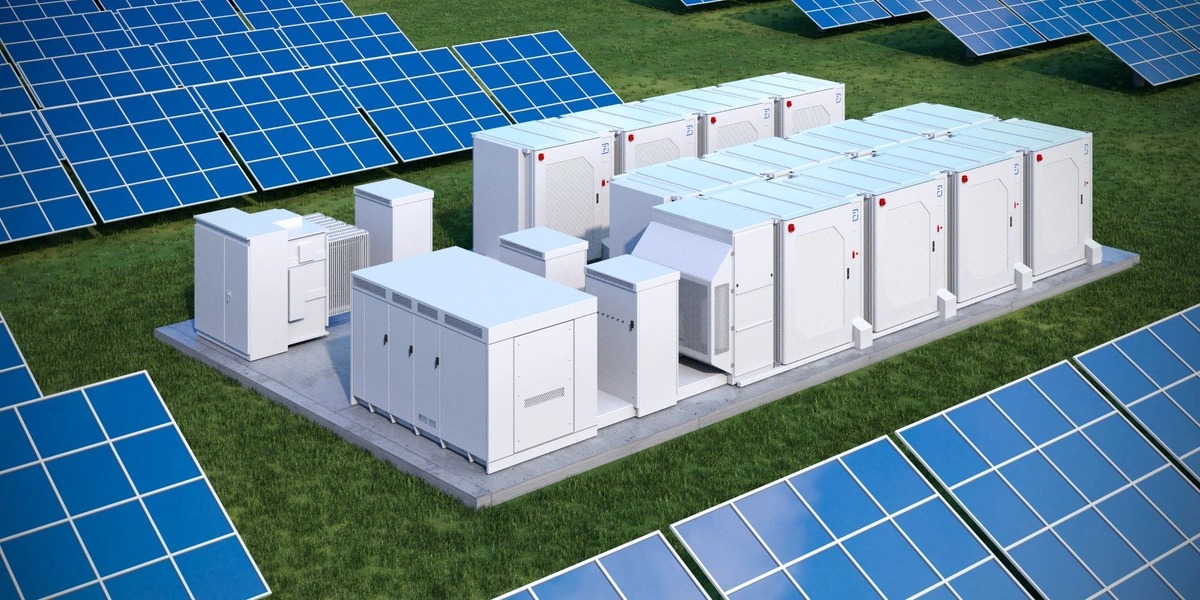
BESS functions like a large-scale power bank for the electricity grid or individual homes and businesses. During periods of high renewable energy production (such as sunny afternoons for solar or windy nights for wind power) or when electricity demand is low, excess power is directed into the BESS. The system’s inverters convert AC power from the grid or solar inverters into DC to charge the battery packs. When demand rises or renewable generation drops, the stored energy is discharged. The inverters then convert the DC power back into AC for use by homes, businesses, or the grid. Advanced Battery Management Systems (BMS) monitor voltage, temperature, and state of charge to ensure safe and efficient operation.
One of the most important roles of BESS is smoothing out the intermittent nature of solar and wind power. Solar generation peaks midday while demand often peaks in the evening. BESS stores surplus daytime energy and releases it during evening hours, making renewable sources more reliable and reducing the need for fossil fuel peaker plants.
BESS can respond to grid frequency fluctuations in milliseconds, providing essential ancillary services. They help maintain stable voltage and frequency, prevent blackouts, and support the integration of more renewable energy into the grid without compromising reliability.
Businesses and utilities use BESS to reduce electricity costs by charging during off-peak hours when rates are low and discharging during peak demand periods when rates are highest. This “peak shaving” lowers demand charges and overall energy bills while reducing strain on the grid infrastructure.
In areas prone to outages, BESS serves as a reliable uninterruptible power supply (UPS). Combined with solar panels, it creates resilient microgrids that can operate independently during grid failures, ensuring critical facilities like hospitals, data centers, and factories remain powered.
Reduced Carbon Emissions: By maximizing renewable energy usage and minimizing fossil fuel backup, BESS supports global decarbonization goals.
Cost Savings: Lower energy bills through peak shaving and time-of-use optimization.
Improved Grid Reliability: Faster response times than traditional power plants.
Energy Independence: Homes and businesses can generate, store, and use their own power.
Scalability: Systems range from a few kWh for residential use to hundreds of MWh for utility-scale projects.
The cost of Battery Energy Storage Systems has dropped dramatically in recent years. In 2026, residential BESS (10–20 kWh) typically costs between $8,000 and $18,000 installed, depending on brand, capacity, and features. Commercial and industrial systems (100 kWh to several MWh) range from $150–$300 per kWh. Utility-scale projects often achieve costs below $150 per kWh due to economies of scale. Lithium iron phosphate (LiFePO4) chemistry is increasingly popular due to its safety, long cycle life (over 6,000 cycles), and declining prices. Additional costs include inverters, installation, permitting, and ongoing maintenance, though many modern systems require minimal upkeep. Government incentives and falling battery prices continue to improve return on investment, with many systems paying for themselves in 5–8 years through energy savings and grid service revenue.
Battery Energy Storage Systems are a transformative technology that addresses the biggest challenge of renewable energy — intermittency. By storing excess power and releasing it when needed, BESS improves grid stability, reduces reliance on fossil fuels, lowers energy costs, and enables greater adoption of solar and wind power. From small home systems providing backup power to massive utility-scale installations supporting entire cities, BESS is playing a central role in building a cleaner and more resilient energy future. As battery technology continues to advance and costs decline, these systems will become even more accessible and essential for both residential and commercial users worldwide.