

Battery Energy Storage System (BESS) safety, primarily focusing on lithium-ion technologies, centers on preventing thermal runaway—a chain reaction causing fire, toxic gas release, and potential explosions. While incidents are rare in modern, properly installed systems, safety relies on advanced management, proper ventilation, and strict adherence to codes like UL 9540. Battery energy storage systems have significantly improved safety standards in recent years.
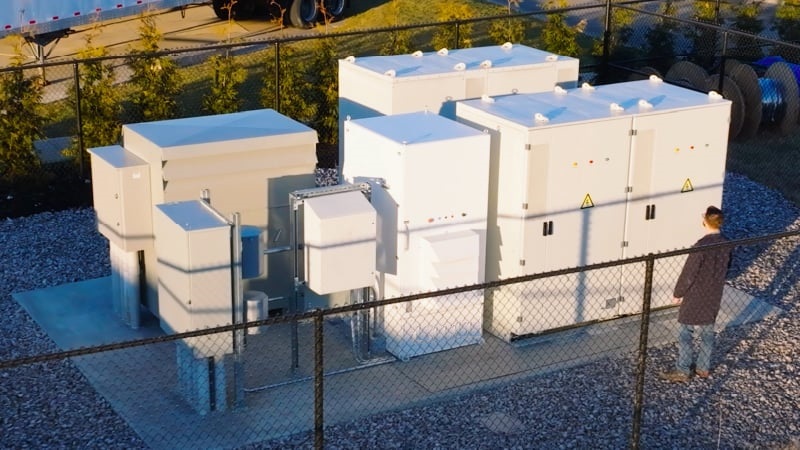
Battery Energy Storage Systems (BESS) are rechargeable battery installations that store electrical energy for later use. They range from small residential units paired with solar panels to massive utility-scale facilities that help stabilize power grids. Most modern BESS use lithium-ion batteries, particularly lithium iron phosphate (LiFePO4), due to their balance of performance, cost, and relative safety. These systems capture excess energy during periods of high generation or low demand and release it when needed, supporting renewable integration and grid reliability.
The primary safety concern with lithium-ion BESS is thermal runaway — a self-sustaining exothermic reaction where a battery cell overheats, releases energy rapidly, and can trigger adjacent cells. This can lead to fire, smoke, and in severe cases, explosions. Thermal runaway can be triggered by overcharging, physical damage, manufacturing defects, or external heat sources. Modern systems use sophisticated Battery Management Systems (BMS) to monitor temperature, voltage, and current at the cell level to prevent these events.
During a thermal event, batteries can release flammable and toxic gases including hydrogen fluoride, carbon monoxide, and volatile organic compounds. These gases pose risks of fire propagation and health hazards to first responders and nearby residents. Proper ventilation, gas detection systems, and fire suppression designs are critical to mitigate these dangers.
Even after a fire appears extinguished, residual “stranded energy” in damaged cells can cause re-ignition days later. Deep-seated fires are difficult to fully extinguish with water alone, requiring specialized suppression agents or long-term monitoring. This makes post-incident management complex and resource-intensive.
Modern BESS incorporate multiple layers of protection to minimize risks:
Advanced BMS and Monitoring: Real-time cell-level monitoring detects early signs of failure and can isolate affected modules.
Thermal Management: Active cooling systems (liquid or air) maintain optimal temperatures and prevent hotspots.
Fire Suppression and Containment: Aerosol, clean agent, or water-based systems combined with fire-resistant enclosures limit propagation.
Compliance with Standards: UL 9540 and the latest UL 9540A (6th Edition, 2026) provide rigorous testing for thermal runaway propagation, fire hazards, and explosion risks. NFPA 855 offers installation and commissioning guidelines.
Site Design and Location: Adequate spacing between containers, proper ventilation, and remote monitoring reduce external risks.
LiFePO4 Chemistry: Many new systems use lithium iron phosphate batteries, which have higher thermal stability and lower risk of thermal runaway compared to other lithium-ion chemistries.
While high-profile incidents have occurred, data shows that BESS failure rates per gigawatt-hour installed have decreased as technology and standards mature. Proper design, certified components, professional installation, and regular maintenance make modern BESS very safe. Incidents are often linked to installation errors, manufacturing defects in older systems, or external factors rather than inherent battery technology flaws. The industry continues to advance with better testing protocols, AI-powered monitoring, and improved suppression technologies.
Battery Energy Storage Systems are generally safe when designed, installed, and maintained according to current industry standards. While thermal runaway remains the central concern, advanced engineering solutions, rigorous testing like UL 9540A, and safer battery chemistries have significantly reduced risks. As BESS deployment grows to support renewable energy goals, ongoing improvements in safety technology and regulations will continue to enhance their reliability. For residential, commercial, or utility applications, selecting certified systems from reputable manufacturers and working with experienced installers is the best way to ensure safety and performance.