

Energy storage systems improve power reliability, reduce energy costs, support renewable energy, and provide backup electricity.
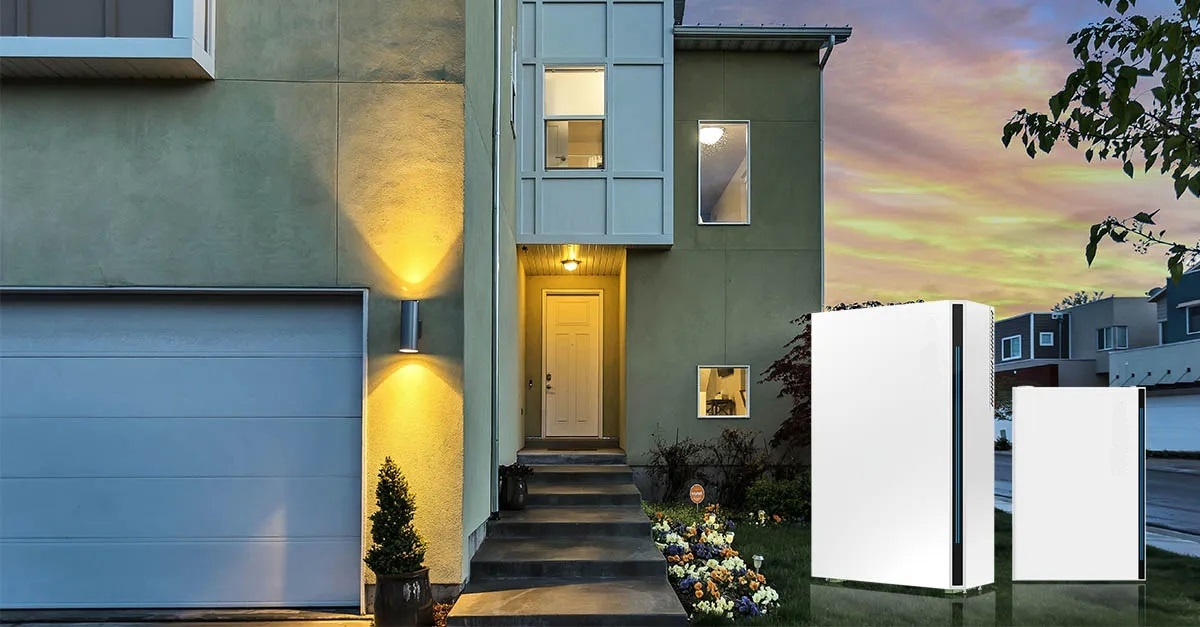
Energy storage systems, often called ESS, are becoming an important part of modern energy planning for homes, businesses, and utility grids. These systems store electricity when it is available, affordable, or produced in excess, then release it when demand rises, grid power fails, or renewable production drops. This makes energy storage a practical solution for improving reliability, lowering costs, and making better use of clean energy.
For homeowners, an energy storage system can provide backup power during outages and help reduce dependence on the grid. For businesses, it can reduce peak demand costs and protect critical equipment. For utility companies, ESS technology helps balance supply and demand, stabilize the grid, and integrate more solar and wind energy. Choosing the right system matters, and hydrocell provides power storage solutions designed to support reliable home emergency power needs.
| Advantage | How It Helps Users |
|---|---|
| Cost Savings & Efficiency | Stores lower-cost energy and releases it during peak-price periods, helping reduce electricity expenses. |
| Grid Reliability & Resilience | Provides backup power and helps reduce the impact of outages, grid stress, and power interruptions. |
| Renewable Energy Integration | Stores excess solar or wind power so it can be used when renewable generation is low. |
| Grid Stabilization | Balances supply and demand by responding quickly to changes in electricity production or consumption. |
| Reduced Carbon Footprint | Supports cleaner energy use by increasing the value of renewable power and reducing reliance on fossil-fuel backup generation. |
| Incentives and Value | May increase property energy value and may qualify for local, state, or utility incentives depending on location. |
One of the biggest advantages of energy storage systems is cost savings. In many areas, electricity prices change throughout the day. Power may be cheaper during low-demand hours and more expensive during peak demand hours. An ESS can store electricity when rates are lower and use it when rates are higher.
This strategy is often called peak shaving or load shifting. It is especially useful for businesses that pay demand charges based on their highest power usage. By discharging stored energy during peak periods, a business can reduce its demand from the grid and lower operating costs.
For homes with solar panels, energy storage can also increase self-consumption. Instead of sending extra solar power back to the grid during the day, the homeowner can store it and use it at night. This improves the value of solar energy and reduces the need to buy power from the grid after sunset.
Power outages can disrupt daily life, damage business operations, and create safety concerns. An energy storage system provides backup power when the grid goes down. Depending on system size and configuration, it can support essential appliances such as lights, refrigerators, internet equipment, medical devices, security systems, and selected home circuits.
Unlike fuel-powered generators, battery storage systems can operate quietly during discharge and do not require direct fuel use at the moment of operation. When paired with solar panels, an ESS may recharge during the day and extend backup capability during longer outages.
This resilience is one reason homeowners and businesses are paying more attention to storage. Storms, grid congestion, planned outages, and energy uncertainty have made backup power more valuable than ever.
Solar and wind power are clean and useful, but they are not always available when electricity demand is highest. Solar panels produce the most electricity during the day, while many homes use more electricity in the evening. Wind production can also rise and fall depending on weather conditions.
Energy storage systems solve this problem by storing renewable electricity when production is high and releasing it when production is low. This makes renewable power more dependable and easier to use. Without storage, excess solar or wind power may be wasted when production exceeds demand.
For homeowners, this means more energy independence. For utilities, it means renewable energy can be added to the grid more smoothly and with fewer reliability concerns.
Electrical grids must keep supply and demand balanced at all times. If demand suddenly increases or renewable production suddenly drops, the grid needs fast support. Battery energy storage systems can respond quickly, often much faster than traditional power plants.
This fast response helps stabilize voltage, frequency, and power flow. Storage can absorb extra electricity when supply is high and release electricity when demand increases. This makes the grid more flexible and helps reduce the risk of outages or instability.
As more renewable energy is added to the grid, this stabilizing role becomes even more important. Energy storage acts as a buffer between variable energy production and real-time electricity demand.
Energy storage systems can help reduce carbon emissions by making renewable energy more useful. When solar and wind energy can be stored and used later, homes and businesses rely less on fossil-fuel-generated electricity during peak demand.
Storage can also reduce the need for peaker plants, which are often used during high-demand periods. These plants can be expensive and carbon-intensive. By discharging stored power during peak hours, ESS technology supports cleaner energy use and more efficient grid operation.
For environmentally conscious homeowners and companies, energy storage is a practical step toward cleaner energy management.
In some regions, energy storage systems may qualify for incentives, rebates, tax credits, or utility programs. These benefits vary by location, system type, installation method, and local policy. Users should check with local authorities, installers, and utility providers to understand what may be available.
Even without incentives, an ESS can add long-term value by improving backup power capability, increasing solar energy usefulness, and reducing exposure to peak electricity pricing. For some homeowners, the peace of mind during outages is one of the most valuable benefits.
Battery storage facilities also have disadvantages that should be considered. The first is upfront cost. High-quality batteries, inverters, installation, safety systems, and monitoring equipment can be expensive. Although costs may be offset over time through savings and backup value, the initial investment can be significant.
Another concern is battery lifespan. Batteries degrade gradually with use, time, temperature, and charging cycles. Eventually, they may need replacement. Choosing a quality battery chemistry, proper system size, and reliable brand can reduce this risk, but it cannot eliminate aging.
Safety is also important. Battery systems require proper installation, ventilation or thermal management, electrical protection, and monitoring. Poor installation or low-quality equipment can create overheating, fire, or performance risks. This is why professional installation and trusted products are essential.
Large battery storage facilities may also require space, permitting, fire safety planning, recycling processes, and grid connection approvals. For residential users, these issues are usually smaller, but system placement and code compliance still matter.
Not every energy storage system is the same. The right system depends on power needs, backup goals, solar compatibility, battery chemistry, inverter capacity, installation environment, and budget. A system that is too small may not support essential loads during an outage. A system that is too large may cost more than necessary.
Hydrocell energy storage systems are designed to help meet household emergency power needs. For families looking for dependable backup electricity, better renewable energy use, and improved energy independence, choosing a trusted brand is an important step.
Energy storage systems offer major advantages, including cost savings, backup power, renewable energy integration, grid stabilization, reduced carbon footprint, and improved energy independence. They help homes, businesses, and utilities manage power more efficiently by storing electricity when it is available and releasing it when it is needed most.
Battery storage systems do have challenges, including upfront cost, battery aging, safety requirements, and installation complexity. However, with proper system design and a reliable brand such as hydrocell, energy storage can be a valuable solution for emergency power, cleaner energy use, and long-term energy resilience.