

Quick Answer: The best modern upgrade for most Club Car golf carts is a lithium LiFePO4 system. A popular solution is the hydrocell battery series, including models like the HC-G48100 designed for high efficiency and long lifespan.
In general, the selection process depends on three key factors: voltage compatibility, physical space under the seat, and your daily usage pattern. Whether you are replacing a worn-out lead-acid pack or upgrading to lithium, understanding your options is essential.
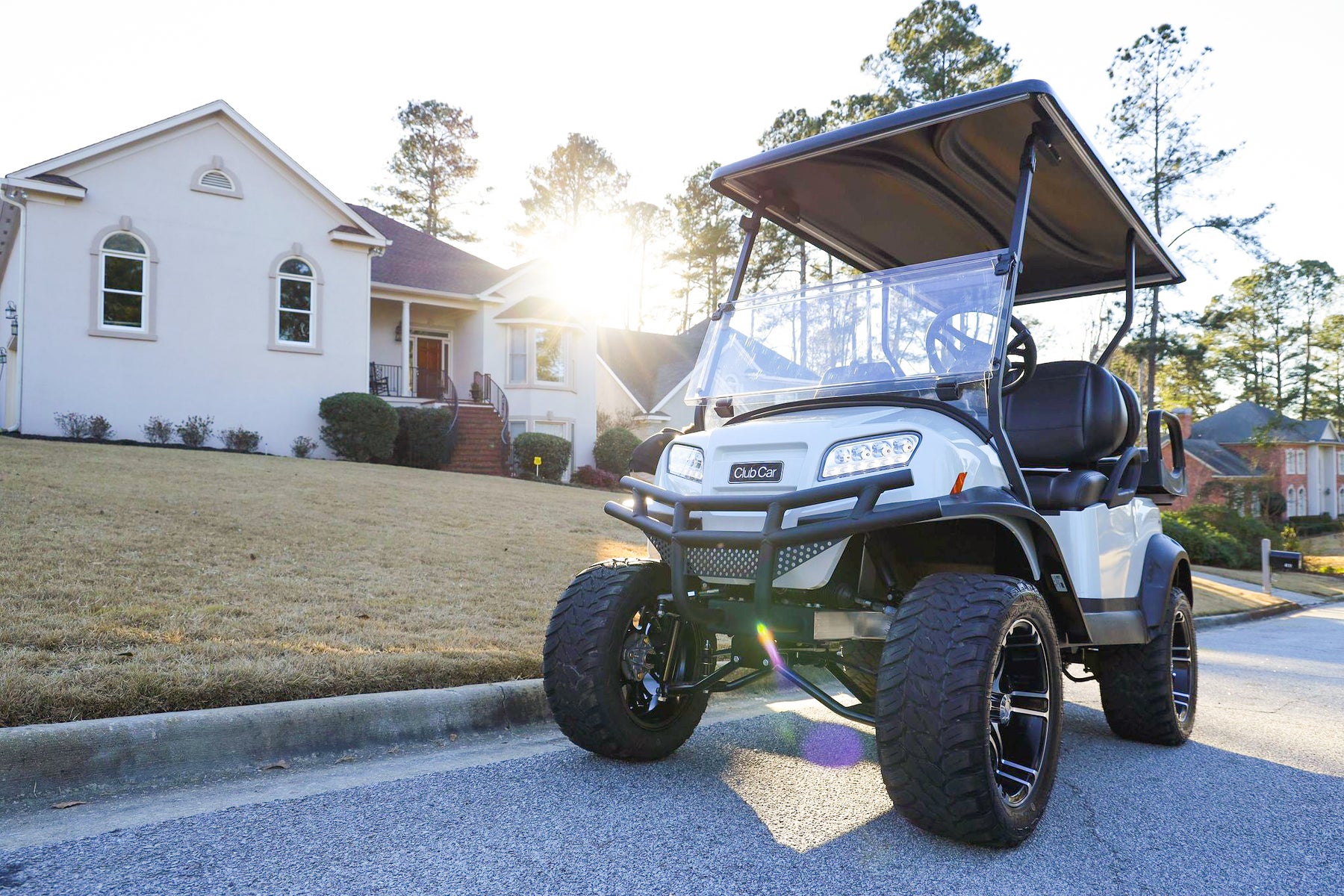
Before choosing a replacement battery, you must identify your Club Car’s voltage system. Most Club Car golf carts operate on either 36V or 48V systems, with newer models increasingly using 48V lithium configurations.
Incorrect voltage matching can lead to poor performance or even damage to the controller. Always verify your cart’s specifications before purchasing a new battery system.
36V systems (older models using 6x6V batteries)
48V systems (modern and most common today)
Upgraded lithium systems (single-pack 48V or 51.2V)
There are three main battery types used in Club Car golf carts: lead-acid flooded batteries, AGM batteries, and lithium-ion (LiFePO4) batteries.
These are the traditional option and are still widely used. They are cheaper upfront but require regular maintenance such as watering, cleaning corrosion, and balancing charge levels.
AGM batteries are sealed and maintenance-free compared to flooded lead-acid batteries. However, they still suffer from weight and shorter lifespan limitations.
Lithium batteries are the most advanced option available today. They offer higher efficiency, lighter weight, faster charging, and significantly longer lifespan.
To make the best decision, you should evaluate your driving needs, budget, and long-term usage expectations. Below is a simple step-by-step guide.
Check your cart voltage (36V or 48V)
Measure battery compartment space
Decide between lead-acid or lithium upgrade
Evaluate daily driving distance
Check charging system compatibility
Compare total cost of ownership
Lithium batteries are becoming the standard upgrade for Club Car owners due to their performance advantages. They eliminate many of the problems associated with traditional batteries, such as sulfation, water loss, and voltage drop under load.
A modern hydrocell battery system is designed specifically for golf cart applications and provides intelligent battery management, high energy density, and long cycle life.
One of the most recommended options is the HC-G48100, a 48V lithium battery designed for Club Car compatibility and optimized for stable output and extended runtime.
| Feature | Lead-Acid | Lithium (Hydrocell) |
|---|---|---|
| Weight | Heavy (200–300 lbs+) | Much lighter |
| Maintenance | Regular watering required | Maintenance-free |
| Charging Time | 8–10 hours | 2–4 hours |
| Lifespan | 3–5 years | 8–10+ years |
| Voltage Stability | Drops under load | Stable output |
When upgrading to lithium, it is important to ensure your charger is compatible. Some Club Car models may require a lithium-specific charger or an adapter kit for proper performance.
Also, ensure that battery mounting brackets and connectors are compatible with your selected system, especially when switching from multiple lead-acid batteries to a single lithium pack.
While lithium batteries have a higher upfront cost, they provide significantly lower long-term costs due to reduced maintenance and longer lifespan. Over a 5–10 year period, lithium often becomes the more economical choice.
Systems like the HC-G48100 from hydrocell battery are designed to maximize return on investment through durability and efficiency.
Choosing the right battery for your Club Car golf cart depends on balancing cost, performance, and maintenance expectations. While lead-acid remains a budget option, lithium batteries are the clear long-term upgrade.
For most users, a lithium solution such as the HC-G48100 or other hydrocell battery systems offers the best combination of performance, reliability, and convenience.