

Electric golf carts typically run on four to eight batteries, wired in series to achieve 36V or 48V systems. Common setups include six 8-volt or four 12-volt batteries for 48V carts, while lithium upgrades often use fewer high-capacity units for better range and efficiency.
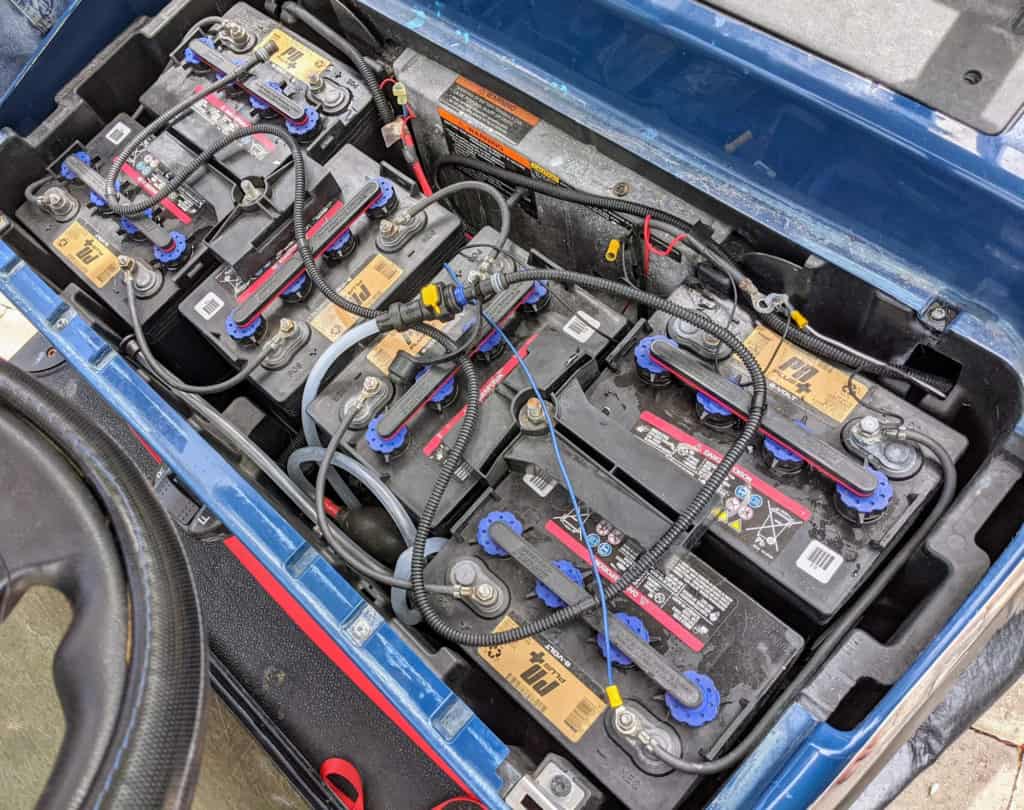
The number of batteries directly impacts performance, range, and maintenance. Understanding standard configurations helps owners choose replacements or upgrades wisely, especially with lithium options gaining popularity for longer life and reduced weight.
Most electric golf carts operate on 36V or 48V systems, with 48V becoming the standard for better power and speed.
36-Volt Systems: Typically six 6-volt batteries (common in older or lighter models).
48-Volt Systems: The most popular, with three main setups:
Six 8-volt batteries
Eight 6-volt batteries
Four 12-volt batteries (increasingly common in modern carts)
Some high-performance or custom carts use 72V systems (six or twelve batteries), but these are less common.
Several elements determine how many batteries your cart needs:
Voltage Requirement: Total system voltage dictates series wiring – higher voltage often means more batteries in traditional lead-acid setups.
Usage Demands: Hilly terrain, heavy loads, or frequent use benefit from higher capacity or more batteries for extended range.
Battery Type: Lead-acid requires more units for equivalent power, while lithium (LiFePO4) packs often consolidate into fewer, larger modules with superior efficiency and lifespan.
Modern golf carts batteries using lithium technology can deliver longer range with reduced weight and maintenance.
Replacement costs vary by type and configuration in 2026:
Lead-Acid Batteries: $800–$1,500 for a full set (plus $100–$400 installation). Individual batteries run $150–$250.
Lithium Batteries: $1,800–$3,500+ for premium LiFePO4 packs. Higher upfront but lower long-term costs due to 5-10 year lifespan and no maintenance.
Professional installation is recommended for safety and warranty preservation.
Understanding golf cart battery setups helps optimize performance and budget. Whether sticking with traditional lead-acid or upgrading to lithium for superior range and reliability, choosing the right configuration ensures smooth operation on the course or around your property.