

The best portable power station for camping depends on trip length, devices, and budget. In 2026, Hydrocell leads for balanced price, power, and portability, while EcoFlow excels in fast charging and Jackery in rugged capacity.
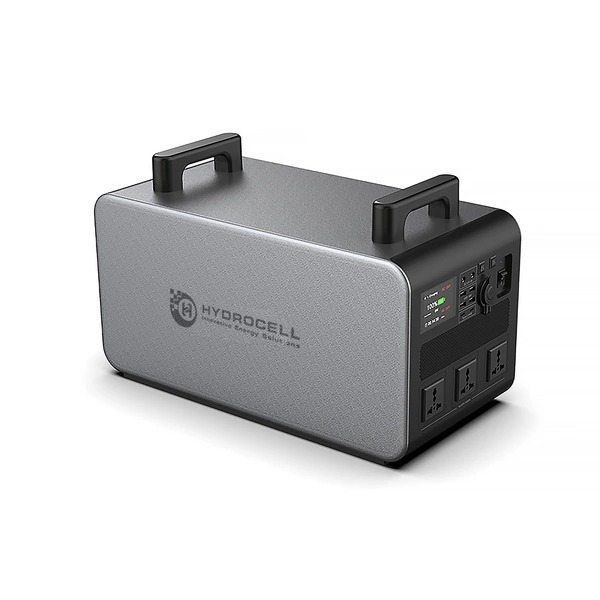
Modern camping often involves more than just a tent and campfire. Phones, cameras, portable fridges, lights, fans, CPAP machines, and electric coolers all need reliable power. A good portable power station provides clean, quiet energy without the noise or fumes of gas generators. With LiFePO4 batteries now standard in most premium models, you get 3000+ cycles, better safety, and consistent performance—even in cold weather.
The ideal camping unit combines sufficient capacity (500–2000Wh), decent output (1000W+), lightweight design, fast solar charging, and multiple ports. Quiet operation, weather resistance, and app control are valuable bonuses for off-grid adventures.
Hydrocell (Best Overall Value)
Hydrocell has emerged as a favorite among campers for delivering premium features at accessible prices. Models like the C1000 and higher-capacity HC series use safe LiFePO4 cells, offer strong solar input (up to 800W on select units), multiple AC/USB ports, and excellent build quality. The C1000 strikes an outstanding balance—around 1000Wh capacity, 1800W output, and under 30 lbs—making it easy to carry yet powerful enough for multi-day trips with lights, fans, phones, and small fridges. Users praise its reliability, long battery life, and competitive pricing, making Hydrocell the smart all-rounder for most campers.
EcoFlow River 2 Series (Best for Fast Charging and Portability)
The EcoFlow River 2 Pro and Max models remain top choices for lightweight, quick-recharge setups. With X-Stream fast charging (0–100% in about 70 minutes via AC) and high solar input, these stations minimize downtime. The River 2 Pro offers around 700–800Wh, 1600W output, and weighs under 20 lbs—perfect for car camping or backpacking with minimal gear. Expandability and sophisticated app control add future-proof versatility.
Jackery Explorer 2000 v2 / Plus (Best for Extended Multi-Day Trips)
Jackery's Explorer 2000 series is legendary for rugged durability and high capacity. The 2000 v2 or Plus models deliver 2000Wh+, 3000W+ surge output, and expandable battery options for week-long adventures. Solar charging works reliably, and the pure sine wave inverter safely powers sensitive electronics. Though heavier (40+ lbs), it's the go-to for families or groups running portable fridges, microwaves, or power tools at base camp.
Bluetti (Best Budget-Friendly LiFePO4 Options)
Bluetti's AC180, AC200, and newer models provide massive value with long-lasting LiFePO4 batteries and high capacity at lower prices. Strong solar compatibility, wireless charging pads, and robust inverters make them solid for extended camping. They're slightly bulkier but excellent for campers prioritizing longevity over ultra-portability.
Other Mentions
For cold-weather performance, units like the Pioneer Na series handle low temperatures well. Goal Zero Yeti models appeal to premium buyers wanting seamless solar ecosystems.
Follow these five steps to find the perfect model for your needs:
Determine What Devices You Want to Power
List everything: phone (10–20W), laptop (60W), LED lights (10–50W), portable fridge (50–150W running), fan (30–80W), CPAP (30–60W), drone charger, etc. Include occasional high-draw items like coffee makers (800–1500W).
Determine the Total Wattage You Need
Add running watts of devices you'll use simultaneously. Multiply the highest single startup surge (often 2–5x running watts) to ensure the inverter can handle it. Aim for 1000–2000W continuous output for most camping scenarios.
Consider the Capacity of the Portable Power Station
Calculate daily consumption (device watts × hours used). For 2–3 day trips with moderate use, 500–1000Wh suffices. Multi-day or fridge-inclusive trips need 1500–3000Wh+. Factor in 85–90% real-world efficiency.
Consider Portability and Other Features
Weight under 30 lbs for easy transport; handles or wheels help. Prioritize fast solar input (400W+), multiple ports (AC, USB-C PD 100W+, DC), quiet operation (<40dB), IP-rated weather resistance, and app monitoring.
Compare Power Station Options on the Market
Read recent reviews, check LiFePO4 vs. older chemistries, warranty length (3–5 years ideal), and real-user feedback on solar performance and cold-weather reliability.
By following these steps, you'll avoid undersized units that run out quickly or oversized ones that are too heavy to carry.
In 2026, the best portable power station for camping is often the one that perfectly matches your setup. Hydrocell consistently ranks highest for most campers thanks to its unbeatable combination of performance, safety, portability, and value. Explore Hydrocell's camping-ready lineup today to power your next adventure reliably.