

Better Batteries change ownership by reducing charging stress, lowering maintenance, improving usable range, extending cycle life, and making long-term costs more predictable. They also support faster charging, smarter energy management, and more flexible vehicle or equipment design.
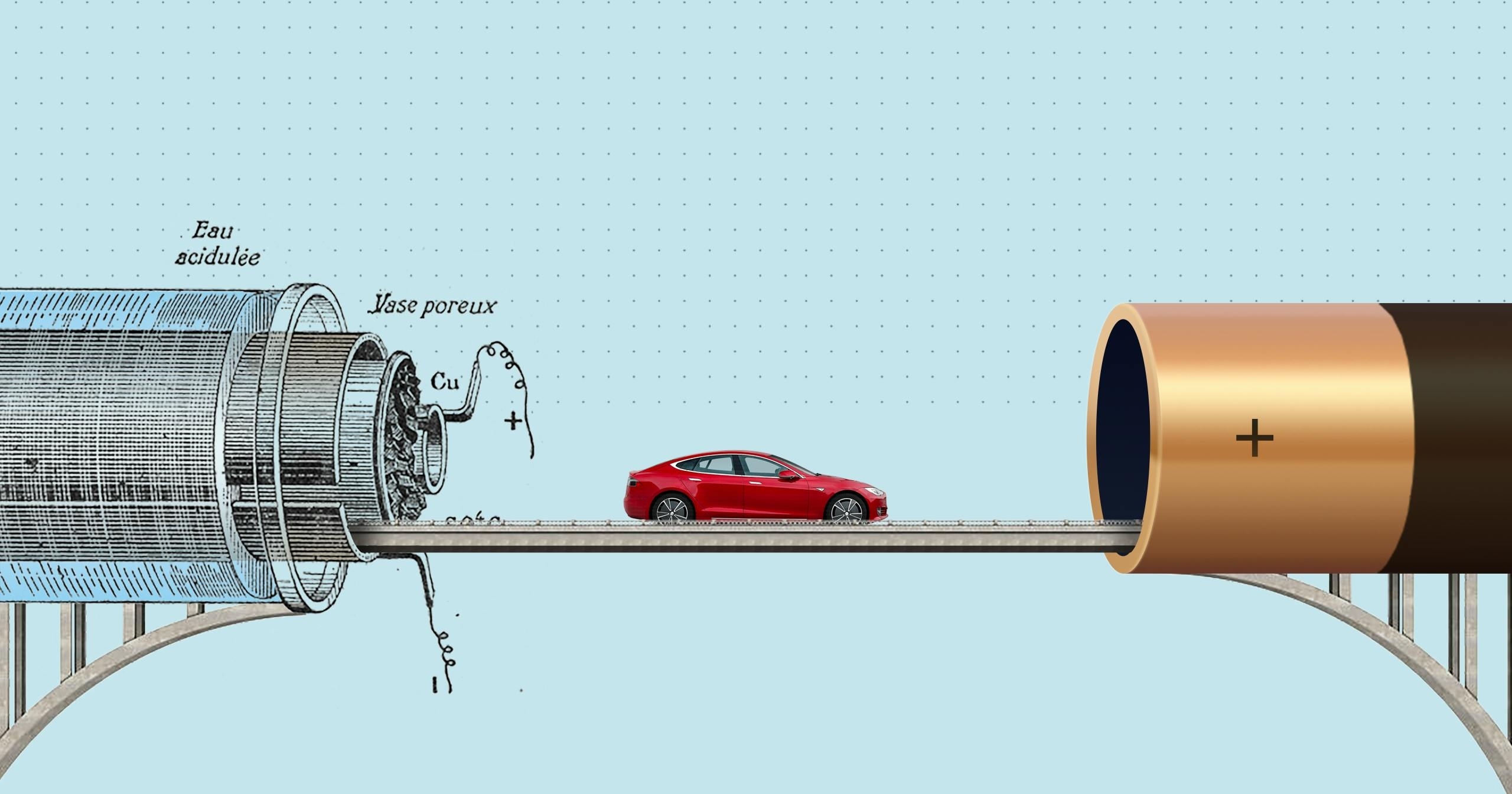
Battery Ownership Is Becoming Less Complicated
Earlier battery-powered vehicles often required owners to think constantly about charging, range, battery health, and replacement cost.
Modern battery systems are reducing that mental burden.
A good battery today is not just an energy storage box. It includes:
Battery Management System protection
Temperature monitoring
Overvoltage and undervoltage control
Cell balancing
Charge and discharge monitoring
State-of-charge estimation
These systems automate many of the decisions that owners once had to manage manually.
1. Eliminating Battery Anxiety and Babysitting
One of the biggest improvements in ownership experience is the reduction of “battery anxiety.”
Owners want confidence that their vehicle or equipment will start, complete its work, and recharge without constant supervision.
Better batteries help by offering:
More predictable remaining range
Stable voltage during discharge
Smarter low-voltage protection
Temperature protection
Improved charging efficiency
With better state-of-charge monitoring, users can plan around real battery condition rather than guessing.
A larger battery is not automatically a better battery. Reliable BMS control, correct charging, temperature management, and application matching can matter just as much as total capacity.
2. Rewriting the Depreciation and Resale Curve
Battery condition strongly influences the value of an electric vehicle or battery-powered machine.
When a battery degrades quickly, owners may worry about expensive replacement and reduced resale value.
Longer-cycle lithium chemistry can change this equation by preserving useful capacity for more years.
| Battery Improvement | Ownership Benefit |
|---|---|
| Longer Cycle Life | Battery remains useful for more years |
| Better BMS Monitoring | Battery condition becomes easier to understand |
| Lower Maintenance | Reduced ongoing ownership expense |
| Stable Performance | Less noticeable power decline over time |
This can make ownership feel more like managing a long-term asset and less like waiting for a major battery expense.
3. Faster Charging Changes Daily Routines
Charging speed has a major effect on how convenient electric ownership feels.
The shorter the charging interruption, the easier it is to fit charging into normal life.
Modern lithium systems can support:
Higher charging rates
Opportunity charging
Better thermal monitoring
Smarter charger communication
For commercial equipment, this can allow operators to recharge during lunch breaks, shift changes, or scheduled downtime.
For passenger vehicles, faster charging can make long-distance travel more practical.
Can EV Charging Match Gasoline Refueling?
Battery and charging technology continues to reduce the gap between electric charging and conventional refueling, but the two are not yet identical in every situation.
High-power charging can restore substantial range in a relatively short stop, especially on vehicles designed around fast-charging architectures.
However, charging time still depends on:
Battery chemistry
Battery temperature
Charger power
State of charge
Vehicle charging curve
The ownership improvement comes not only from maximum charging speed, but from more predictable charging behavior and better integration between the battery, charger, and vehicle.
4. Better Batteries Can Change Vehicle Architecture
Higher energy density allows designers to store more energy in less space or reduce battery size while maintaining useful range.
That can influence:
Vehicle weight
Passenger space
Cargo space
Chassis packaging
Suspension design
A more compact energy system can give engineers greater freedom when designing the rest of the vehicle.
Why LFP Chemistry Matters
Lithium iron phosphate, or LiFePO4, has become important because it offers a strong combination of cycle life, thermal stability, and lower routine maintenance.
Lifepo4 Batteries are widely used in:
Golf carts
Forklifts
Marine systems
RVs
Solar storage
Utility vehicles
Their longer cycle life can reduce how often owners need to think about replacement.
What About Solid-State Batteries?
Solid-state battery technology is promising because it may eventually improve energy density, safety, packaging, and charging performance.
However, commercial adoption is still emerging rather than universal.
For current owners, the biggest practical improvements today come from better lithium chemistries, smarter BMS systems, improved cooling, and faster charging infrastructure.
Future battery technologies may change ownership further, but proven improvements in lithium battery management are already making a major difference today.
How Battery Technology Shifts the Ownership Paradigm
| Old Ownership Experience | Better Battery Experience |
|---|---|
| Frequent battery monitoring | Automatic BMS supervision |
| Shorter cycle life | Longer service life |
| Slow charging | Faster and opportunity charging |
| More routine maintenance | Lower maintenance requirements |
| Large performance drop during use | More consistent power output |
| Higher ownership anxiety | More predictable daily operation |
Lower Maintenance Changes the Economics
Traditional flooded lead-acid batteries require recurring care.
That can include:
Watering
Electrolyte checks
Equalization
Corrosion cleanup
Ventilation management
Modern lithium batteries eliminate many of these routine tasks.
Less maintenance means fewer service interruptions and lower labor costs over the battery’s life.
More Predictable Range and Runtime
Stable voltage is another important ownership benefit.
Lead-acid batteries can experience a more noticeable voltage drop as they discharge.
Lithium batteries often maintain a flatter voltage curve, helping equipment deliver more consistent performance through the usable state-of-charge range.
That can make runtime easier to predict.
Smarter Battery Management
Modern BMS technology plays a major role in improving ownership.
A good BMS can monitor:
Cell voltage
Pack voltage
Temperature
Current
State of charge
Cell balance
It can also intervene when conditions move beyond safe limits.
This means the battery protects itself instead of relying entirely on the owner.
Advantages of Hydrocell Batteries
hydrocell batteries are designed around modern lithium technology for applications that need reliable power, lower maintenance, and intelligent battery control.
Depending on the model and application, advantages can include:
LiFePO4 battery chemistry
Long cycle life
Fast charging capability
No routine watering
Stable voltage output
Integrated BMS protection
Low-temperature protection on supported models
Cell balancing
Overvoltage protection
Undervoltage protection
Overcurrent protection
Hydrocell combines lithium battery chemistry with intelligent battery management, helping users reduce routine maintenance while gaining more predictable charging, runtime, and battery protection.
Hydrocell Batteries for Different Applications
One of the advantages of hydrocell batteries is that lithium technology can be adapted to different energy needs.
| Application | Main Ownership Benefit |
|---|---|
| Golf Carts | Longer runtime and reduced battery maintenance |
| Forklifts | Fast charging and multi-shift support |
| Marine | Deep-cycle energy and lower weight |
| RVs | More usable energy for onboard systems |
| Solar Storage | Repeated cycling and energy management |
Better Batteries Reduce Daily Ownership Friction
The most important change is not one dramatic technical breakthrough.
It is the accumulation of many smaller improvements:
More reliable range estimates.
Faster charging.
Longer cycle life.
Less routine maintenance.
Better temperature protection.
Smarter diagnostics.
More consistent performance.
Together, these changes make battery-powered ownership feel more natural and less demanding.
How Better Batteries Improve Total Cost of Ownership
A better battery can cost more initially but still reduce long-term ownership expense.
The calculation should include:
Battery replacement frequency
Maintenance labor
Charging downtime
Energy efficiency
Equipment availability
Resale value
A battery that lasts longer and requires less maintenance can provide more value over its full service life.
Compare batteries by lifecycle cost, not just purchase price. A lower-priced battery that needs more maintenance or earlier replacement can cost more over time.
What Owners Should Look for in a Better Battery
Choose the right chemistry for the application.
Check cycle-life expectations.
Confirm charging requirements.
Review temperature limits.
Check BMS protection functions.
Confirm voltage and current compatibility.
Compare usable capacity, not only nominal capacity.
Evaluate warranty and technical support.
Conclusion
Better batteries are changing electric ownership by reducing the amount of attention users must give to charging, maintenance, and battery health.
Longer-cycle lithium chemistry, more accurate BMS monitoring, faster charging, and improved thermal control make battery-powered vehicles and equipment easier to use every day.
These improvements also affect long-term value. Batteries that retain useful capacity for more years can support better resale economics and reduce replacement anxiety.
Vehicle and equipment design can benefit as well. Higher energy density and improved packaging give manufacturers more flexibility with weight, space, and system architecture.
For current users, LiFePO4 technology is already delivering practical benefits, while solid-state batteries remain an emerging technology with the potential to create further improvements in the future.
hydrocell batteries combine modern lithium technology with intelligent battery management to support longer cycle life, faster charging, stable output, reduced routine maintenance, and multiple protection functions.
Ultimately, the biggest change is psychological as much as technical: better batteries allow owners to think less about the battery itself and focus more on using the vehicle, equipment, or energy system it powers.