

Quick Answer: In 2026, standard lead-acid forklift batteries usually cost about $3,000 to $6,000, while lithium-ion LiFePO4 forklift batteries generally range from $6,000 to $25,000 or more depending on voltage, capacity, brand, and application.
Forklift battery replacement cost in 2026 is one of the most important budgeting questions for warehouses, distribution centers, manufacturers, and logistics operations. A forklift battery is not just a replacement part. It affects daily runtime, charging schedules, labor needs, downtime, safety procedures, and total cost of ownership.
The right battery choice depends on how your forklifts are used. A single-shift warehouse may focus on upfront price, while a multi-shift operation may care more about charging speed, battery lifespan, and avoiding battery swaps. This is why many businesses compare traditional lead-acid batteries with modern lithium-ion options from suppliers such as hydrocell.
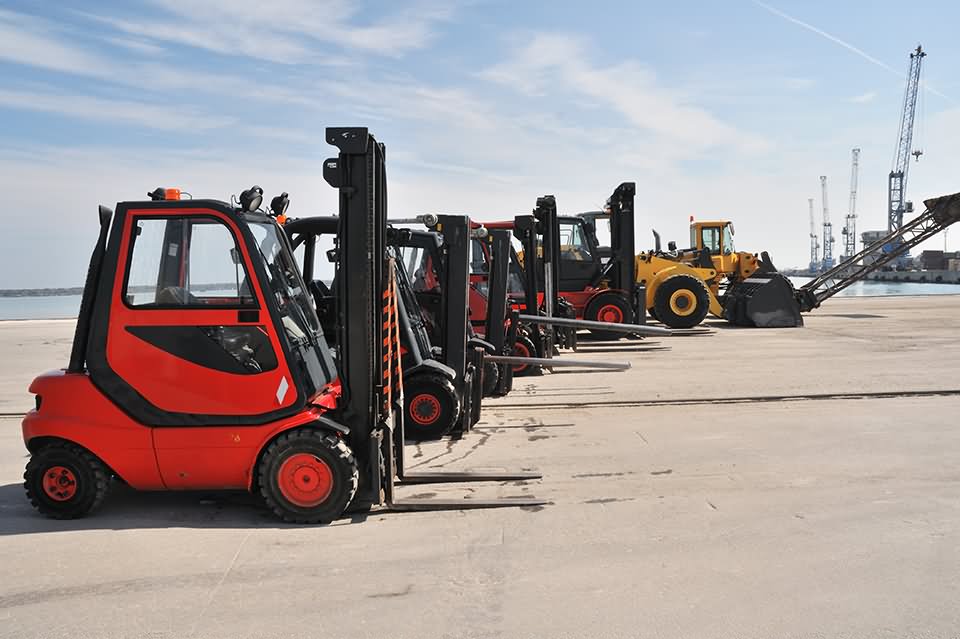
Forklift battery prices vary widely because different trucks require different voltages and amp-hour capacities. Common industrial forklift battery voltages include 24V, 36V, 48V, and 80V. In general, higher voltage and higher capacity batteries cost more, but they may also support heavier workloads and longer operating time.
Battery chemistry is the biggest cost factor. Lead-acid batteries have a lower purchase price, but they require more maintenance and often have a shorter service life. Lithium-ion LiFePO4 forklift batteries cost more upfront, but they charge faster, require less maintenance, and usually last much longer.
| Battery Type | Typical 2026 Cost Range | Average Lifespan | Maintenance Level |
|---|---|---|---|
| Lead-Acid Forklift Battery | $3,000 to $6,000 | About 3 to 5 years | High: watering, cleaning, equalizing, cooling time |
| Standard 48V Lead-Acid Battery | $3,500 to $5,000 on average | About 3 to 5 years | Requires regular watering and ventilation |
| Lithium-Ion LiFePO4 Forklift Battery | $6,000 to $15,000+ for many mainstream 48V options | About 8 to 10+ years | Very low maintenance |
| High-Voltage or Custom Lithium Battery | $15,000 to $25,000+ | About 8 to 10+ years | Very low maintenance with BMS protection |
Lead-acid forklift batteries are still common because they are familiar, widely available, and less expensive at the time of purchase. A standard 48V lead-acid battery often costs around $3,500 to $5,000, while larger or specialized units may cost more.
However, the purchase price does not tell the full story. Lead-acid batteries require daily watering, terminal cleaning, equalization, proper ventilation, and long charge-and-cool cycles. Many lead-acid systems also require a dedicated charging area, safety equipment, and trained staff to manage battery maintenance.
Important Cost Note: Lead-acid batteries may look cheaper at checkout, but maintenance labor, watering, charging-room space, downtime, and shorter lifespan can increase the real long-term cost.
Lithium-ion LiFePO4 forklift batteries usually cost more upfront. Mainstream 48V lithium options commonly range from $6,000 to $15,000 or more, while custom high-voltage batteries, heavy-duty 80V packs, or OEM replacement models can exceed $25,000.
The higher price is often balanced by lower operating costs. Lithium batteries are virtually maintenance-free, charge much faster, and can support opportunity charging during breaks. They also avoid long cooling periods, which can be a major advantage in busy warehouses where equipment needs to stay available throughout the day.
For operations comparing lithium suppliers, hydrocell forklift batteries can be considered as part of a long-term electrification and cost-control strategy.
The total cost of ownership, or TCO, is often more important than the purchase price. A lead-acid battery may cost less initially, but a multi-shift operation often needs two or three batteries per forklift. This is because lead-acid batteries require long charging and cooling periods before they can return to service.
Lithium batteries can usually remain in the truck and be charged during breaks, lunches, or shift changes. This can reduce or eliminate battery swapping, battery rooms, watering labor, and extra spare batteries. Over time, these savings can make lithium the more economical option for high-use fleets.
| Cost Factor | Lead-Acid Battery | Lithium-Ion LiFePO4 Battery |
|---|---|---|
| Upfront Price | Lower | Higher |
| Daily Maintenance | Watering, cleaning, inspections | Minimal routine maintenance |
| Charging Time | Long charge and cooling cycle | Fast charging and opportunity charging |
| Battery Room | Often required for charging and ventilation | Usually not required in the same way |
| Multi-Shift Use | May require 2 to 3 batteries per forklift | Often one battery per forklift is enough |
| Replacement Frequency | More frequent | Less frequent |
TCO Insight: Lithium batteries often make the most financial sense for multi-shift operations because they reduce spare battery purchases, maintenance labor, charging-room needs, and downtime.
Not every forklift battery issue requires a full battery replacement. In some cases, professional repair may be possible. For example, cell replacement may average around $150 to $300 per cell, depending on battery type, labor, and availability. Specialized connector and cable repairs may range from $50 to $100 per joint.
However, repair decisions should be made carefully. If a battery is old, heavily degraded, leaking, overheating, or repeatedly failing, replacement may be more cost-effective than repair. For lithium batteries, the Battery Management System, cell balance, communication system, and charger compatibility must also be checked.
Choosing a forklift battery should involve more than comparing price quotes. The best battery for your fleet depends on truck model, voltage, load demands, shift schedule, charging infrastructure, and operating environment.
Confirm voltage: Check whether your forklift requires 24V, 36V, 48V, or 80V power.
Match capacity: Choose the amp-hour rating based on runtime, load weight, and shift length.
Compare chemistry: Decide whether lower upfront lead-acid cost or lower-maintenance lithium performance is better for your operation.
Calculate TCO: Include maintenance labor, battery room cost, charging time, spare batteries, replacement frequency, and downtime.
Check charger compatibility: Lithium batteries often require a compatible charger or charging profile.
Review warranty and support: Choose a supplier with clear technical support, battery data, and warranty coverage.
hydrocell forklift batteries use lithium-ion technology designed for industrial material handling applications. Compared with traditional lead-acid batteries, lithium forklift batteries can help reduce maintenance, improve charging flexibility, and support longer operating life.
Hydrocell offers six forklift battery models: HC-F24200, HC-F36450, HC-F36600, HC-F48330, HC-F48450, and HC-F80450. These models cover different voltage and capacity needs, giving businesses more options when matching batteries to pallet trucks, warehouse forklifts, counterbalance forklifts, and higher-demand industrial equipment.
| Hydrocell Model | Battery Type | Typical Use Consideration |
|---|---|---|
| HC-F24200 | Lithium-ion forklift battery | Lower-voltage forklift or material handling applications |
| HC-F36450 | Lithium-ion forklift battery | 36V-class warehouse equipment |
| HC-F36600 | Lithium-ion forklift battery | Higher-capacity 36V-class applications |
| HC-F48330 | Lithium-ion forklift battery | 48V-class forklifts requiring balanced capacity |
| HC-F48450 | Lithium-ion forklift battery | 48V-class forklifts with longer runtime requirements |
| HC-F80450 | Lithium-ion forklift battery | 80V-class heavy-duty forklift applications |
Buying Reminder: Before ordering any forklift battery, confirm truck voltage, battery compartment size, counterweight requirements, charger compatibility, connector type, and daily runtime needs.
Forklift battery replacement cost in 2026 depends mainly on chemistry, voltage, capacity, manufacturer, and operating demands. Lead-acid batteries commonly cost $3,000 to $6,000 and remain attractive for lower upfront budgets, but they require more maintenance and often last 3 to 5 years. Lithium-ion LiFePO4 batteries usually cost $6,000 to $25,000 or more, but they offer faster charging, longer lifespan, lower maintenance, and better total cost of ownership for many high-use operations. For businesses planning a long-term forklift battery upgrade, hydrocell forklift batteries provide multiple lithium-ion options for different voltage and capacity requirements.