

In today's demanding warehouses, the lithium ion forklift battery delivers unmatched efficiency, faster charging, and lower long-term costs, making it the smart choice for modern material handling operations.
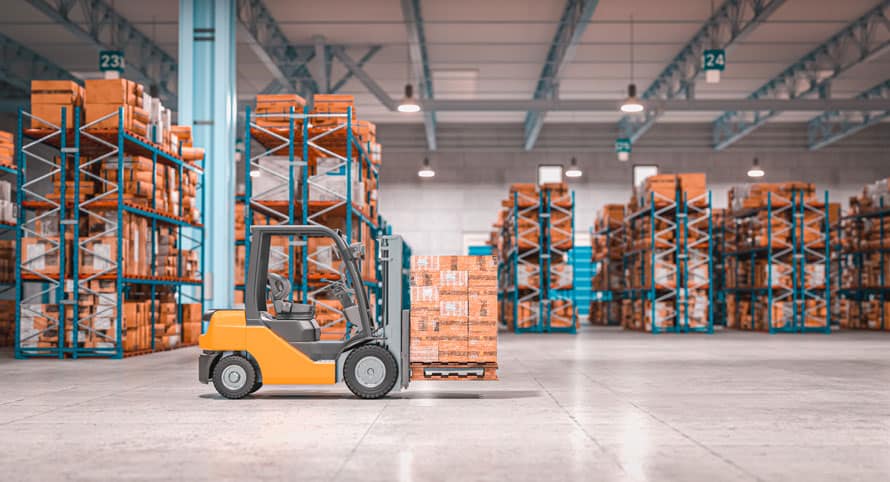
Lithium-ion (Li-ion) batteries are transforming the forklift market by offering superior efficiency, faster charging times, and reduced total cost of ownership compared to traditional lead-acid batteries. They enable 24/7 operations through "opportunity charging" during short breaks, eliminating the need for battery swapping, reducing maintenance, and offering a longer, more sustainable lifespan.
These lithium ion battery systems have rapidly gained traction in warehouses, distribution centers, and manufacturing facilities worldwide. As operations move toward multi-shift and high-throughput environments, the limitations of lead-acid batteries—long charging times, frequent maintenance, and performance degradation—have become unacceptable. Lithium-ion technology addresses these challenges head-on, providing consistent power and operational flexibility.
The advantages of lithium-ion batteries extend far beyond initial perceptions. Here are the primary benefits driving their adoption:
Faster Charging and Opportunity Charging: Lithium-ion batteries charge in 1-2 hours, compared to 8+ hours for lead-acid. Opportunity charging during breaks keeps forklifts running without full discharge cycles, supporting continuous multi-shift operations.
Longer Lifespan: Typical lithium-ion batteries deliver 3,000–5,000 full charge cycles, often lasting 7–10 years, versus 1,000–1,500 cycles (3–5 years) for lead-acid. This dramatically reduces replacement frequency.
Zero Maintenance: No watering, no acid spills, no equalization charges. Lithium-ion batteries are virtually maintenance-free, saving labor and eliminating dedicated battery rooms.
Consistent Performance: Voltage remains stable throughout discharge, ensuring full lifting speed and torque even at low charge levels—unlike lead-acid batteries that slow down as they deplete.
Higher Energy Efficiency: Up to 95% efficiency versus 80% for lead-acid, translating to lower electricity costs and reduced heat generation.
Enhanced Safety: Advanced Battery Management Systems (BMS) monitor temperature, voltage, and current in real time. LiFePO4 chemistry, common in forklift applications, is thermally stable and eliminates thermal runaway risks.
Environmental Benefits: No toxic lead or acid, lower energy consumption, and recyclable components support sustainability goals and regulatory compliance.
Space and Weight Savings: Compact design frees up truck weight capacity for additional payload and eliminates the need for battery swap infrastructure.
Yes, lithium battery forklifts are excellent for most modern applications, especially in high-throughput environments. They excel in multi-shift operations where downtime must be minimized. The ability to opportunity charge means no more waiting for cool-down periods or swapping heavy batteries, reducing operator fatigue and injury risks.
Businesses report significant productivity gains—up to 20-30% in some cases—due to increased uptime and consistent performance. While initial costs are higher, the operational savings quickly offset the investment. For operations running 8+ hours daily or across multiple shifts, lithium-ion forklifts consistently outperform lead-acid equivalents in reliability, efficiency, and overall fleet utilization.
In today's market, the best battery for a forklift is widely considered to be lithium-ion, particularly LiFePO4-based systems. These batteries offer the optimal balance of performance, safety, longevity, and total cost of ownership. Unlike older technologies such as lead-acid or even nickel-cadmium, lithium-ion provides the flexibility and efficiency required for competitive warehouse operations.
Leading manufacturers focus on LiFePO4 chemistry for forklift applications due to its superior safety profile and cycle life. When selecting a battery, prioritize features like robust BMS, fast-charging capability, comprehensive warranties, and compatibility with major forklift brands. Reputable suppliers ensure seamless integration and long-term support, maximizing the return on investment.
For operations seeking the best performance, transitioning to a high-quality lithium ion forklift battery represents a strategic upgrade that future-proofs the fleet against rising energy costs and operational demands.
The lithium ion battery advantages in the forklift market—faster charging, longer life, zero maintenance, and lower operating costs—make it the clear winner over traditional alternatives. As warehouses push for greater efficiency and sustainability, lithium-ion technology is no longer a luxury but a necessity.
Whether you're running intensive multi-shift operations or seeking to optimize fleet performance, investing in advanced lithium ion forklift battery solutions delivers measurable benefits. Explore reliable lithium ion battery options today to transform your material handling efficiency and profitability.