

Is 12.8 volts good for a car battery? Yes — it’s an excellent reading! When the engine is off, 12.8V typically means your standard 12V lead-acid car battery is fully charged and in great health. The ideal resting range is 12.6–12.8V.
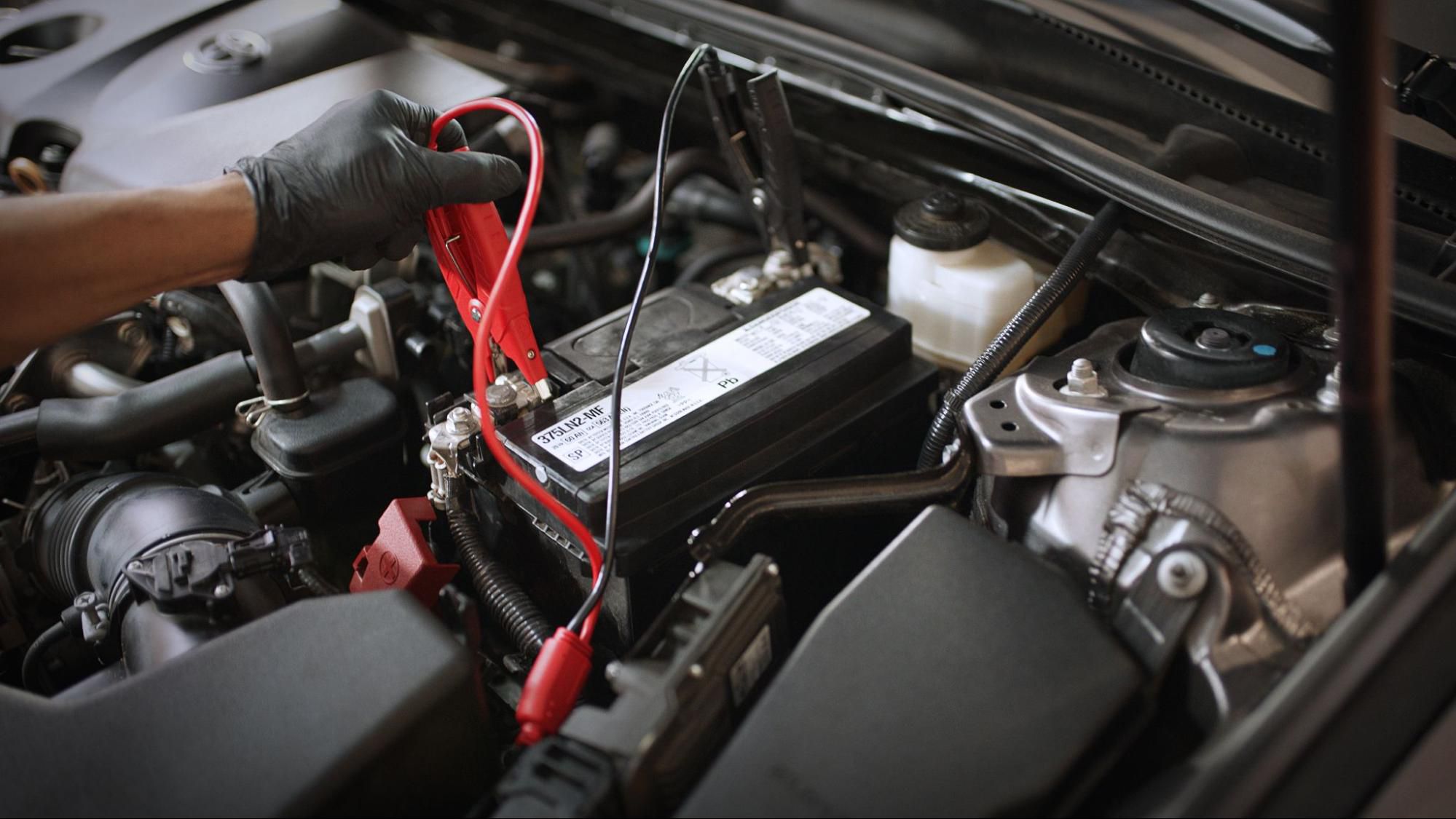
Car batteries are labeled as “12V,” but this is only the nominal voltage. In reality, a healthy lead-acid battery (flooded, AGM, or gel) shows higher voltage when fully charged. At rest (engine off, no load, after sitting several hours), 12.8V is one of the best readings you can get.
A voltage of 12.8V indicates the battery is holding a full charge with minimal surface charge effect. It’s a strong sign the battery plates are in good condition and sulfation is minimal.
Here’s a quick reference for resting voltage on a standard 12V lead-acid car battery:
12.6V – 12.8V: Fully charged and healthy — perfect condition.
12.4V – 12.6V: 70–90% charged — still usable but consider charging soon.
12.2V – 12.4V: About 50% charged — recharge to avoid damage.
12.0V – 12.2V: Deeply discharged — recharge immediately; repeated deep discharge shortens life.
Below 12.0V: Severely discharged — likely permanent damage; replacement may be needed.
With the engine running, a healthy charging system should show 13.7V–14.7V as the alternator tops up the battery.
Yes and no. All automotive starting batteries are called “12V” because that’s their nominal system voltage — the average operating voltage in a 12V electrical system. However, a fully charged lead-acid battery naturally rests at around 12.6–12.8V. The “12V” label is just a standard name; actual voltage varies with state of charge.
Modern lithium alternatives, such as LiFePO4 batteries, are often labeled 12.8V because that’s their true nominal voltage (4 × 3.2V cells). They deliver stable performance and are increasingly popular as lightweight, high-performance replacements for traditional car batteries.
Even if voltage looks okay temporarily, replacement is recommended when:
The battery is 3–5 years old (average lifespan for lead-acid).
Resting voltage stays below 12.4V even after a full charge.
It struggles to crank the engine, especially in cold weather.
Voltage drops below 9.6–10V under cranking load (load test).
You notice slow cranking, dim lights, or frequent jump-starts.
The battery won’t hold a charge overnight.
Many auto parts stores offer free battery testing. Don’t wait for complete failure — a weak battery can leave you stranded.
Traditional lead-acid car batteries work well but have limitations: heavy weight, sensitivity to deep discharge, and shorter lifespan. Modern car battery options using LiFePO4 technology offer major advantages:
Half the weight (great for performance vehicles).
2,000–5,000+ charge cycles vs. 300–500 for lead-acid.
High cranking amps (CCA) in compact sizes.
Safe — no risk of thermal runaway or acid leaks.
Full usable capacity (100% depth of discharge).
Faster charging and no maintenance required.
Many drivers now choose LiFePO4 as a direct drop-in replacement for better reliability and longer life.
For accurate results:
Turn off the engine and all accessories.
Wait at least 4–8 hours for surface charge to dissipate.
Use a digital multimeter set to DC volts.
Connect red to positive (+), black to negative (–).
Read the voltage — 12.8V is ideal.
If you’re unsure, professional testing is quick and usually free.
A 12.8V reading on your car battery is great news — it’s fully charged and performing well. However, batteries don’t last forever. Regular checks and timely replacement prevent unexpected failures. For superior performance and longevity, consider upgrading to a modern LiFePO4 car battery next time. Enjoy reliable starts and peace of mind on every drive.