

Knowing how to recognize a failing golf cart battery can prevent unexpected breakdowns, frustrating downtime, and expensive repairs.
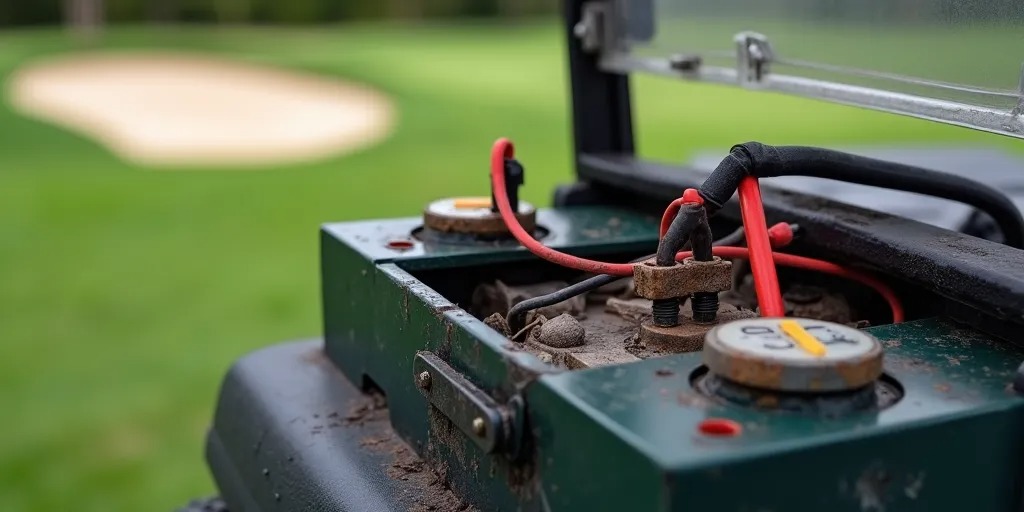
Golf cart batteries power the motor and all onboard systems, delivering reliable performance round after round. When batteries begin to fail, you’ll notice reduced speed, shorter range, and eventually complete failure. Spotting problems early lets you address them promptly, extending your cart’s overall lifespan and keeping maintenance costs down.
Here are the most telling indicators that it’s time to investigate or replace your batteries:
Shorter Driving Range
A fully charged cart that once covered 15 miles but now barely manages 5 is showing classic signs of battery degradation. Reduced range is often the earliest and most noticeable symptom.
Sluggish Acceleration and Reduced Power
If your cart feels slow to start or struggles on hills, the batteries may no longer deliver consistent voltage under load—a clear sign they’re nearing the end of their useful life.
Extended Charging Times
When the charger runs significantly longer than normal or never reaches a full charge indicator, internal resistance is likely building up. This inefficiency is common in aging batteries.
Physical Damage: Swelling, Leaks, or Corrosion
Inspect batteries visually. Bulging cases, leaking electrolyte, or heavily corroded terminals are serious red flags. Leaks are especially dangerous and require immediate attention for safety.
Abnormal Voltage Readings
Use a multimeter to check individual battery voltages after a full charge. A healthy 6-volt battery should read around 6.3–6.4 volts, an 8-volt around 8.4–8.5 volts, and a 12-volt around 12.6–12.8 volts. Significant deviations (especially lower readings) indicate failure.
Inconsistent Performance
If the cart runs strong one day but weakly the next despite a full charge, one or more failing cells are likely disrupting the entire battery pack’s stability.
Follow these steps for an accurate assessment:
Fully Charge the Pack
Use the manufacturer-recommended charger and wait until it signals 100% completion.
Measure Resting Voltage
With a digital voltmeter, test each battery individually and compare readings to the ideal fully-charged values for your battery type (6V, 8V, or 12V).
Perform a Load Test
Either drive the cart under normal conditions or use a dedicated battery load tester. Watch for excessive voltage drop—a sharp decline signals weak cells.
Check Electrolyte Levels (Lead-Acid Batteries Only)
Ensure distilled water covers the plates. Low levels accelerate damage and shorten battery life; top off carefully if needed.
Quality golf cart batteries typically last 4–6 years with proper care and regular use. If yours are in this age range and exhibiting multiple symptoms above, replacement is usually the best option.
Staying alert to reduced range, sluggish power, long charge times, physical damage, and irregular voltage can save you significant hassle and expense. Regular testing and basic maintenance are the keys to maximizing battery life and keeping your golf cart running smoothly for years to come. Catch issues early, act decisively, and enjoy worry-free rides on the course or around the neighborhood.