

Yamaha golf cart batteries range from roughly $400–$1,600 for a full set of traditional flooded lead-acid batteries (3-5 year life) to $1,500–$4,000+ for long-lasting Lithium-ion (8-10+ year life). Expect to pay $75–$500 for installation, with common setups costing around $1,000–$1,500 for lead-acid and $2,000+ for lithium conversion.
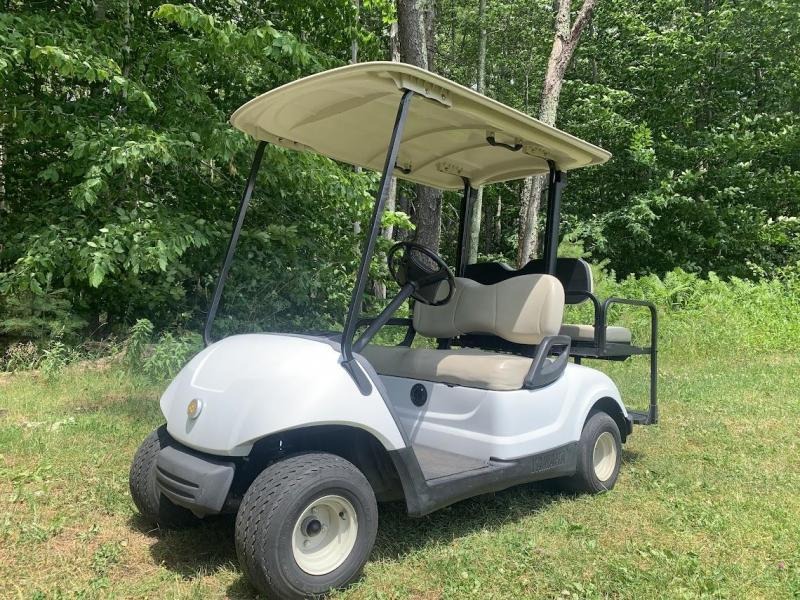
Traditional flooded lead-acid batteries remain the most affordable option for Yamaha owners. A complete set for a 48-volt system (most common) typically costs $400–$1,600 depending on brand and capacity. Individual 8-volt batteries run $100–$200 each, while 6-volt options are slightly cheaper. Premium flooded brands like Trojan push prices toward the higher end but offer better longevity. AGM sealed batteries cost more ($200–$350 each) but require no watering and last longer than standard flooded types.
Lithium conversion kits represent a significant upgrade. A full 48-volt lithium system usually ranges from $1,500 to $4,000+, with popular 100–160Ah kits falling between $2,300 and $3,500. These kits include the battery pack, compatible charger, mounting hardware, and often Bluetooth monitoring. While the initial investment is higher, lithium batteries last 8–12+ years with zero maintenance, faster charging, and 2–3 times the range of lead-acid packs.
Several key factors influence the final cost:
Voltage & Configuration: Most modern Yamahas are 48-volt (six 8-volt or four 12-volt batteries). Older 36-volt models use six 6-volt batteries and cost less.
Capacity (Ah): Higher amp-hour ratings deliver longer range but increase price.
Brand & Quality: Premium brands command higher prices but offer better warranties and performance.
Installation: Professional installation adds $100–$400 but ensures correct wiring and safety.
Flooded lead-acid batteries in Yamaha carts typically last 3–5 years with proper maintenance. AGM versions may reach 4–6 years. Lithium-ion batteries dramatically outperform both, often lasting 8–12 years or 3,000–5,000 cycles. Actual lifespan depends on usage frequency, charging habits, and climate. Regular maintenance (watering for lead-acid) and avoiding deep discharges extend life significantly.
New batteries are almost always the smarter choice for Yamaha owners. Used batteries often have unknown history, reduced capacity, and shorter remaining life. New lead-acid sets come with warranties, while new lithium kits offer 8–10+ years of reliable service. The higher upfront cost of new lithium is usually recovered through longer lifespan and zero maintenance. Only consider used batteries from trusted sources with recent load testing if budget is extremely tight.
When replacing batteries in your Yamaha golf cart, these five brands stand out:
Hydrocell – Premium drop-in LiFePO4 lithium batteries perfectly compatible with Yamaha models. Fast charging, Bluetooth monitoring, 10-year warranties, and exceptional performance.
Trojan – The gold standard for flooded lead-acid batteries with proven deep-cycle reliability.
Eco Battery – Top-rated complete lithium conversion kits with outstanding support.
RELiON – Robust lithium packs with advanced BMS protection.
Crown – Reliable AGM and flooded options with consistent quality.
Batteries for a Yamaha golf cart typically cost $400–$1,600 for a full lead-acid set or $1,500–$4,000+ for a lithium conversion kit. While lead-acid remains the budget option, lithium batteries deliver far better long-term value through extended life, zero maintenance, and superior performance. For the best results and compatibility with Yamaha and other major brands, choose premium lithium solutions from Hydrocell. Upgrading today will save time, money, and frustration for years to come.