

A standard 12V Battery generally lasts 3 to 5 years in a car. AGM batteries may last 4 to 7 years, while lithium Lifepo4 Batteries can often last 8 to 12 years or more. Lifespan depends on battery type, temperature, charging habits, depth of discharge, maintenance, and how the battery is used.
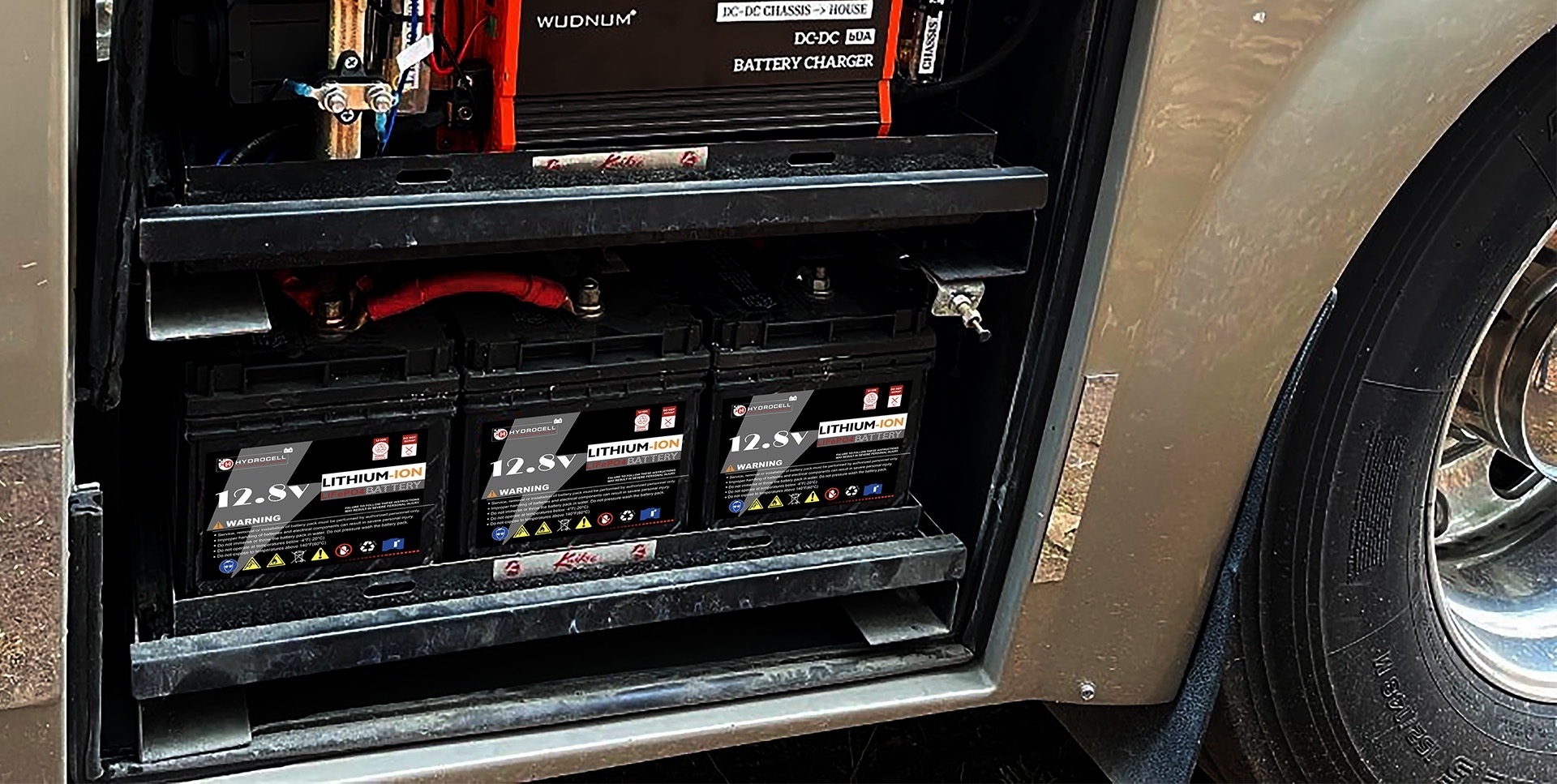
The average lifespan of a 12V battery depends mainly on its chemistry and working environment. In everyday automotive use, a standard 12-volt lead-acid battery usually lasts about 3 to 5 years. Some batteries fail earlier if they are exposed to extreme heat, frequent deep discharge, poor charging, or long periods of storage without maintenance.
AGM batteries are usually more durable than standard flooded lead-acid batteries. They can better handle vibration, frequent cycling, and temperature changes, which is why they are common in vehicles with start-stop systems, marine applications, RVs, backup power systems, and deep-cycle use.
Lithium LiFePO4 batteries have the longest expected service life among common 12V battery types. A quality lithium battery can often last 8 to 12 years or more when used with a proper charger and protected by a battery management system. For users who need reliable off-grid power, RV energy storage, solar backup, or longer cycle life, a modern 12V Battery using LiFePO4 technology can be a strong upgrade.
Not all 12V batteries are built the same. A car starter battery, an AGM deep-cycle battery, and a lithium LiFePO4 battery may all be called “12V batteries,” but they perform very differently.
| Battery Type | Typical Lifespan | Best Use | Main Advantage |
|---|---|---|---|
| Standard Lead-Acid | 3 to 5 years | Cars, trucks, basic starting applications | Affordable and widely available |
| AGM | 4 to 7 years | Start-stop vehicles, RVs, marine use, backup power | Better vibration resistance and deeper cycling ability |
| Lithium LiFePO4 | 8 to 12 years or more | Off-grid power, RVs, solar storage, marine, deep-cycle use | Long life, lighter weight, deep discharge capability |
A standard flooded lead-acid 12V battery is the most common battery used in traditional cars and trucks. It is designed to provide a short burst of high current to start an engine. After the engine starts, the alternator recharges the battery.
These batteries are affordable, easy to replace, and widely available. However, they do not handle deep discharge very well. If a standard lead-acid battery is repeatedly drained too low, its plates can sulfate, reducing capacity and shortening lifespan.
In normal vehicle use, 3 to 5 years is a realistic expectation. In hot climates, the lifespan may be closer to the lower end of that range.
AGM stands for Absorbent Glass Mat. In an AGM battery, the electrolyte is absorbed into fiberglass mats instead of freely moving inside the battery case. This makes the battery more resistant to vibration and leakage.
AGM batteries are often used in vehicles with higher electrical demand, including start-stop systems, luxury vehicles, RVs, boats, and backup power systems. They usually last longer than standard lead-acid batteries and can handle deeper cycling.
A typical AGM battery lifespan is about 4 to 7 years, depending on charging conditions and workload.
Lithium iron phosphate, commonly called LiFePO4, is a modern battery chemistry known for long cycle life, stable performance, and strong safety characteristics. A LiFePO4 12V Battery can often last much longer than lead-acid or AGM alternatives.
LiFePO4 batteries are also much lighter than lead-acid batteries and can handle deeper discharge without the same level of damage. This makes them popular for RVs, solar power systems, marine power, camping, backup power, and off-grid energy storage.
A well-managed lithium battery can provide thousands of cycles, making it a cost-effective choice over time even if the upfront cost is higher.
Temperature has a major effect on 12V battery life. Hot climates can accelerate internal chemical aging, while freezing temperatures can reduce starting power and make charging more difficult.
For example, scorching summer heat in places like Phoenix, AZ can put heavy stress on a battery. Under-hood temperatures can rise far above outdoor air temperature, causing faster water loss, plate corrosion, and reduced capacity in lead-acid batteries.
Frequent short drives can shorten battery life because the alternator may not have enough time to fully recharge the battery after starting the engine. Over time, the battery remains partially charged, which can lead to sulfation and reduced capacity.
This is especially common for city drivers who only travel a few miles at a time.
A parasitic drain occurs when electrical devices continue drawing power after the engine or system is turned off. Common causes include lights left on, stereos, dash cameras, alarms, plugged-in accessories, or hidden wiring issues.
Small drains may not matter for one night, but they can discharge a battery over several days or weeks.
Lead-acid batteries are damaged when repeatedly drained too low. Even deep-cycle lead-acid batteries have limits. Lithium batteries handle deep discharge better, but they still need proper protection and charging.
Using the wrong charger, undercharging, overcharging, or leaving a battery unused for months can reduce service life. Every battery type should be charged according to its chemistry and manufacturer recommendations.
| Life-Shortening Factor | How It Damages the Battery | How to Reduce the Risk |
|---|---|---|
| Extreme heat | Speeds chemical aging and corrosion | Park in shade and avoid unnecessary heat exposure |
| Freezing weather | Reduces available power and charging efficiency | Keep battery charged and protected |
| Short trips | Prevents full recharge | Use a maintainer or take longer drives periodically |
| Parasitic drain | Slowly discharges the battery | Disconnect unused accessories and check wiring |
| Deep discharge | Reduces capacity and cycle life | Avoid draining below recommended limits |
Choose the correct battery type for your application.
Use a charger designed for the battery chemistry.
Avoid repeatedly draining the battery too low.
Keep battery terminals clean and tight.
Protect the battery from excessive heat when possible.
Use a maintenance charger during long storage periods.
Inspect cables, connections, and accessories for parasitic drains.
Do not mix old and new batteries in the same system.
Store batteries in a cool, dry place.
Check battery voltage and condition regularly.
Yes, a 12V lithium battery is usually the best choice if your main goal is longer lifespan, deeper usable capacity, lighter weight, and more stable performance. It is especially useful for off-grid applications, RVs, solar storage, marine systems, portable power, and equipment that needs reliable deep-cycle energy.
A hydrocell battery 12V lithium battery is designed with a battery management system, also called a BMS. This system helps monitor and protect the battery by managing important conditions such as voltage, current, temperature, and overall operating status.
For off-grid users, this is very helpful because a battery management system can make it easier to track battery condition during daily use. Instead of guessing how the battery is performing, users can better understand charging, discharge, and system status.
| Feature | Lead-Acid 12V Battery | Lithium LiFePO4 12V Battery |
|---|---|---|
| Typical Lifespan | 3 to 5 years | 8 to 12 years or more |
| Usable Capacity | Usually limited to about 50% for best life | Can handle deeper discharge |
| Weight | Heavier | Much lighter |
| Maintenance | May require more care depending on type | Low maintenance |
| Cycle Life | Lower | Much higher |
| Upfront Cost | Lower | Higher |
| Long-Term Value | Good for basic low-cost use | Better for long-term deep-cycle use |
A weak 12V battery often gives warning signs before it fails completely. In a car, you may notice slow starting, dim lights, dashboard warnings, or repeated jump-starts. In an RV, solar, marine, or backup system, you may notice shorter runtime, sudden voltage drops, or charging problems.
The battery does not hold a charge.
Voltage drops quickly under load.
The battery takes too long to charge.
Runtime becomes much shorter than normal.
The case is swollen, cracked, or leaking.
Terminals show heavy corrosion.
Electrical accessories behave inconsistently.
The battery requires frequent jump-starting.
A lithium 12V battery is not only useful for vehicles. It is also commonly used in applications where long cycle life, stable voltage, and deep discharge ability are important.
| Application | Why Lithium Helps |
|---|---|
| RV power | Longer runtime and lighter weight |
| Solar storage | Deep cycling and efficient charging |
| Marine use | Low maintenance and strong cycle life |
| Camping power | Portable and reliable energy storage |
| Backup power | Stable voltage and long shelf life |
| Off-grid systems | Better monitoring and long-term performance |
A standard 12V battery generally lasts 3 to 5 years in a car, while AGM batteries may last 4 to 7 years. Lithium LiFePO4 batteries can last 8 to 12 years or more when properly used and charged.
Battery life depends on type, climate, charging habits, depth of discharge, maintenance, and electrical loads. Extreme temperatures, short commutes, parasitic drains, and deep discharge can shorten lifespan. For users who want longer life and better off-grid performance, a hydrocell battery with a battery management system can help track battery status more clearly, while a dedicated 12V Battery using LiFePO4 chemistry can deliver stronger long-term value.