

Most portable power stations are not earth-grounded and use a floating neutral or floating ground system, where the AC output neutral is not bonded to the chassis or earth ground. This design makes them safe for portable, self-contained use without requiring an external ground connection. High-quality portable power stations prioritize safety through insulation and protective features.
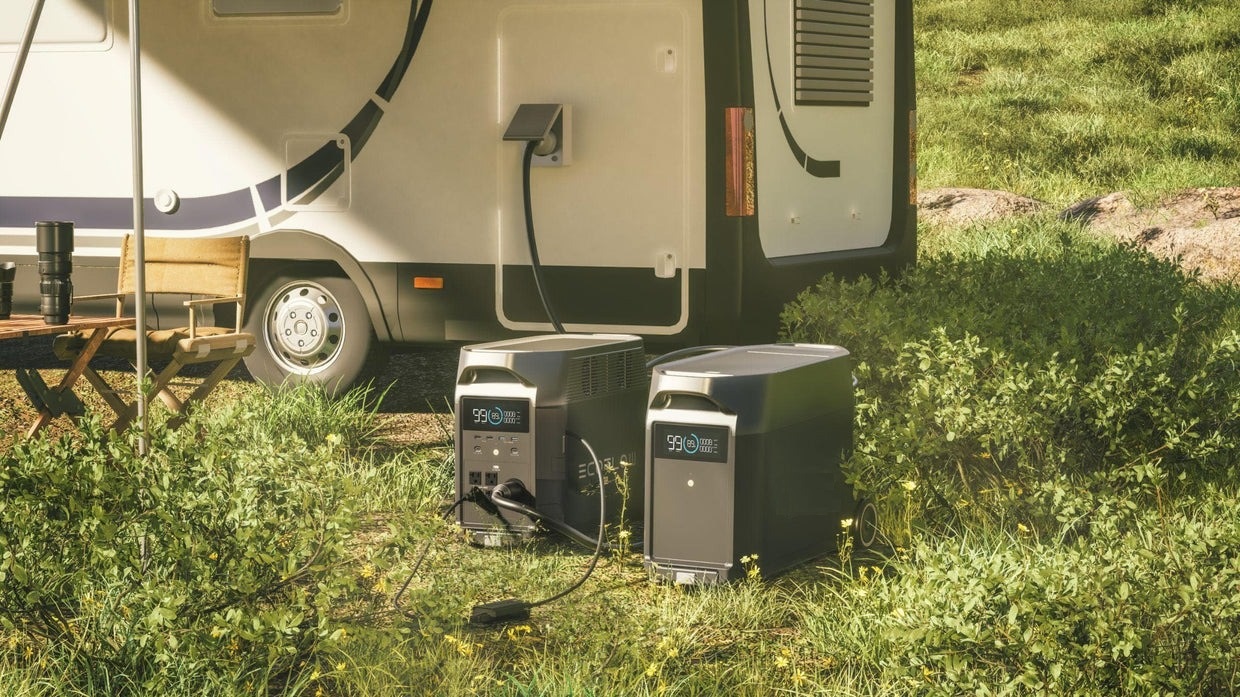
In traditional home wiring, the neutral wire is bonded to earth ground at the main panel to provide a safe return path for fault current and to trip breakers quickly. Portable power stations, however, are built as isolated systems. Their AC inverters typically produce a floating neutral, meaning neither the neutral nor hot wire is connected to the unit’s chassis or earth.
This floating system is intentional and safe for most applications because the entire unit is double-insulated or uses reinforced insulation. There is no exposed conductive surface that could become energized during a fault, eliminating the need for earth grounding in normal portable use.
In typical portable scenarios, grounding is not required and often not possible. The floating neutral design is perfectly safe when powering devices directly or through extension cords. The risk of shock is extremely low because:
The unit is fully insulated
No path exists to earth through the user
Internal protections shut down output during faults
Most manufacturers, including EcoFlow, Jackery, Bluetti, and Anker, state that their units do not require grounding for standard outdoor or emergency use.
When connecting a portable power station to home wiring via a transfer switch or generator inlet, the situation changes. Building codes and electrical safety standards (NEC in the US) often require a bonded neutral for permanently installed backup systems. A floating neutral can prevent proper operation of GFCI breakers and create potential shock hazards in certain fault scenarios.
Some premium models offer a neutral-ground bonding plug or switchable bonding mode specifically for home backup. Always check the manual and consult a licensed electrician before connecting to household circuits.
Modern portable power stations include multiple layers of protection:
Double or reinforced insulation
Overcurrent and short-circuit protection
Ground fault detection in some AC outlets
BMS (Battery Management System) for LiFePO4 cells
Surge protection and pure sine wave output
These features make them safer than many traditional generators, which often produce dirty power and require manual grounding.
If grounding is desired or required:
Use a neutral-ground bonding plug (available for many models)
Connect the chassis ground terminal (if provided) to a proper earth ground
Plug the station into a properly grounded outlet for charging (this grounds the unit during charging only)
Never create an improper ground connection, as it can introduce hazards.
Portable power stations are extremely safe when used as intended. They produce no emissions, have no moving parts, and include comprehensive electronic protections. LiFePO4-based units are particularly safe due to thermal and chemical stability—virtually eliminating fire risk compared to older lithium-ion chemistries.
Independent testing by UL, ETL, and other agencies verifies safety standards. Real-world incident rates are very low, especially compared to gas generators (carbon monoxide poisoning, fuel spills). The floating neutral design has been used safely in inverters for decades.
The main risks come from misuse: overloading, using damaged cords, or improper home wiring connections. Following manufacturer guidelines eliminates nearly all hazards.
Read the manual thoroughly
Use only included or approved cables
Keep vents clear and avoid wet conditions
Store and operate within temperature limits
For home backup, consult a professional electrician
Most portable power stations are not earth-grounded and use a floating neutral system that is safe and appropriate for their intended portable use. Built-in insulation and electronic protections provide excellent safety without requiring external grounding in camping, RV, or emergency scenarios. For home wiring integration, additional grounding measures may be needed.
Today’s LiFePO4 portable power stations combine safety, reliability, and convenience—making them an ideal choice for off-grid power needs.